Bonjour tout le monde !
Anglais d’origine vivant en France depuis plusieurs années, j’ai décidé d’ouvrir ce blog
City Garden pour partager avec vous ma passion : le jardinage.
Mais il ne s’agit pas de jardinage traditionnel, je fais bien plus que tondre la pelouse,
planter des fleurs et tailler des haies puisque je suis paysagiste. Un métier que j’exerçais
déjà au Royaume-Unis et que je suis ravi de continuer à exercer ici.
Si vous avez-vous aussi envie de vous lancer dans ce type de carrière, n’hésitez pas à me
contacter !
Transformez votre petit jardin en magnifique « city garden »
La notion de « city garden » vient du Royaume-Uni. Cette nouvelle tendance vise à mettre en valeur ses espaces verts. Plusieurs techniques sont utilisées pour pouvoir y parvenir. Un professionnel saura parfaitement quelles sont les modifications à faire pour faire de son jardin un endroit agréable. L'art de l'harmonie va débarquer dans les jardins mais aussi dans les maisons.
Refaites-donc la décoration de vos luminaires

De jolis luminaires extérieurs
Pour avoir plaisir à se retrouver dans son jardin, l'éclairage joue un rôle primordial. Les sources de lumières doivent être multipliées pour pouvoir apprécier son extérieur. Une terrasse qui dispose d'une belle décoration lumineuse sera très agréable. Elle accueillera des repas en famille ou entre amis. Des lampadaires autour du salon de jardin seront très agréables. Ils vont permettre d'accueillir ses invités dans une belle ambiance lumineuse. Dans le cadre d'une transformation « city garden », les luminaires sont des moyens de mettre en valeur un massif de fleurs ou certains arbres.
Des idées originales sont utilisées pour transformer son jardin. Placer de petites lampes au bord de la piscine va permettre de profiter de bains agréables en soirée. Cet exemple montre l'intérêt de repenser son jardin. Glaner des idées permettra de se rendre compte de l'importance des luminaires dans le jardin.
Les appliques lumineuses sur une façade vont constituer autant de points lumineux pour apprécier son jardin. Les bornes lumineuses au bord des allées dallées ont un côté pratique mais apportent également un charme indéniable au jardin. Les lampadaires extérieurs permettent également d'éclairer un bosquet et de pouvoir se promener dans son jardin à toute heure. Les possibilités sont nombreuses en termes de décoration lumineuse donc il faudra faire les meilleurs choix en fonction de la zone à éclairer.
Des conseils déco jardin et maison
Pour pouvoir tirer le meilleur parti de son jardin, il est intéressant de glaner des idées déco jardin et maison. Installer une balancelle sous une pergola est une idée qui va ravir toutes les personnes qui veulent passer plus de temps à l'extérieur. Des inspirations diverses peuvent être trouvées et adoptées en fonction de ses envies pour son jardin. Le choix des fleurs qui vont embellir cet espace vert est également important donc pouvoir bénéficier de précieux conseils est une chance. Certaines plantes couvrent parfaitement le sol et offrent un résultat très agréable. Les couleurs ont également leur importance donc la sélection des différentes espèces doit se faire de façon rigoureuse.
Le carport peut être une idée intéressante pour protéger sa voiture tout en apportant un atout charme au jardin. Entièrement en bois, il apporte un côté très naturel qui devrait être apprécié. Des bancs et des éléments de jardin en bois vont permettre d'obtenir une belle harmonie. Ils peuvent être installés dans des endroits stratégiques du jardin pour faire office de rappel.
Se renseigner régulièrement sur les dernières tendances déco pour son jardin et sa maison permet de les faire évoluer. Pour apprécier son jardin année après année, certaines modifications seront nécessaires. Les dossiers qui regroupent les meilleures idées du moment sont de véritables sources d'inspiration. Elles permettent de se projeter dans de nouveaux espaces et de leur donner vie dans le jardin ou la maison.
Marre du vis-à-vis, optez donc pour un produit brise-vue
Pour se détendre dans son jardin, il est préférable de ne pas avoir de vis-à-vis. Il est difficile de s'étendre sur son transat en se sentant observé. Il existe des produits brise-vue spécialement étudiés pour la circonstance sur le site
En textile, ils permettent de créer un espace personnel de façon agréable. A commander selon la taille souhaitée, ils vont redonner un peu d'intimité dans le jardin. Certains sont également créés à partir de jonc de mer donc il faudra se pencher sur les caractéristiques afin de faire le bon choix.

Ne subissez plus le vis-à-vis
Plusieurs types de tissus peuvent être imaginés en fonction du résultat souhaité. Les couleurs aussi se mélangent avec du beige ou de l'orange pour contraster avec la nature. Un brise-vue peut se fixer par un système d'élastiques ou constituer une petite maisonnette avec des fenêtres. Des versions solides et résistantes ont été élaborées afin de résister aux conditions climatiques. Eté comme hiver, ces brise-vue rempliront parfaitement leur rôle. Plusieurs modèles peuvent être utilisés en fonction de son utilisation. Un brise-vue classique pour pouvoir jouer en toute tranquillité sera une bonne idée tandis qu'une installation plus évoluée sera plus adaptée près de la piscine.
Le brise-vue se démocratise car les jardins sont de plus en plus petits. La multiplication des constructions a pour conséquence la rareté d'un jardin sans vis-à-vis. Cette solution est donc idéale pour remédier à la situation. La liberté et la sérénité seront retrouvées et le jardin pourra être utilisé comme souhaité sans aucune restriction. Se sentir en toute intimité est vraiment agréable.
Quelques idées de déco intérieure : la maison ma passion
Si le jardin est un endroit qui mérite une belle décoration, penser à l'intérieur est également essentiel. La liaison doit se faire de façon naturelle pour passer facilement de l'intérieur à l'extérieur. La passion maison peut se développer grâce à des idées tendances comme les interrupteurs décorés. Sortir des modèles classiques est une nouveauté qui devrait plaire à tous les fans de décoration. Ces interrupteurs viennent donc remplacer les anciens en offrant un peu de fantaisie. De la cuisine aux chambres, ils sont tous à personnaliser pour une décoration optimale dans chaque pièce.
Des modèles floraux ou présentant un jardin, une jungle seront sympathiques dans la véranda. Ces nouveautés permettent aussi de changer la couleur de la lumière. Créer une ambiance particulière est donc possible. Du rouge au violet, toutes les nuances sont disponibles pour se dynamiser ou au contraire se relaxer.
Mettre en place un salon de jardin sera une transition parfaite entre la maison et les espaces verts. Il peut être installé dans un espace réservé pour appeler au calme et à la détente. Pour donner envie d'en profiter, il faudra se baser sur la décoration intérieure et ses coloris. En étant proche, ce salon de jardin va être un prolongement immédiat de la maison.
Et pourquoi ne pas essayer les toiles triangulaires pour la décoration de votre jardin ?
Pour transformer sa terrasse, cette idée devrait plaire à de nombreux particuliers. A fixer sur un poteau, ces deux grandes toiles apportent un côté chaleureux et intimiste. Il sera agréable de se reposer en-dessous de ce nid. Avec des couleurs chaudes, elles inviteront à prendre des bains de soleil. Dans des couleurs froides, elles désigneront un havre de paix où il fait bon se retrouver.
Des toiles triangulaires de qualité sont proposées sur le site voile-tendance.fr. Transformer sa terrasse en un lieu très accueillant est facile avec cette installation simple. Le tissu choisi est en mesure de résister aux intempéries tout en conservant ses belles couleurs. Il ne reste plus qu'à choisir le résultat souhaité et mettre en scène ce nouveau décor.

Choisissez le motif qui vous convient pour votre toile triangulaire
La forme triangulaire est très bien pensée puisque ces toiles vont pouvoir se placer dans les angles de la terrasse. Des pointes de couleurs sublimeront cet espace extérieur et ses propriétaires auront plaisir à s'y retrouver. Leur positionnement permet également de gagner un peu d'ombre. Cette caractéristique est un plus pour les journées chaudes d'été.
Bien assortir son mobilier maison et jardin
Pour poursuivre sur une belle harmonie, il est intéressant de suivre une même logique pour la décoration de son intérieur et de son jardin. Des bosquets de roses peuvent justement inspirer sur les couleurs à adopter pour les coussins de son canapé ou pour ses voilages. Les nuances de bois qui portent les arbustes et les plantes vivaces serviront de référence pour le choix de sa table de salle à manger et ses chaises.
Pour accorder mobilier maison et jardin, il peut être intéressant de décliner les mêmes couleurs. Le mobilier lumineux permet d'y arriver facilement. L'arrivée du Led a permis de découvrir un univers de possibilités. Avec des réglettes qui se fixent sur tous les meubles, toutes les envies peuvent être réalisées. Les lampadaires Led créent également un beau spectacle qui sera un avant-goût du jardin.
Il est possible d'aller plus loin en choisissant le même style pour son portail et les portes de ses pièces. Le bois se retrouvera à l'unisson, à moins que le propriétaire des lieux ne préfère le fer forgé. Ce rappel sera de très bon goût et il suscitera l'admiration.
Besoin d'un terrassement à Nice ? Faites appel à un professionnel
Le terrassement est une bonne façon de préparer son sol avant la pose d'une piscine ou d'un spa. Ce travail permet de s'assurer que la terre a été débarrassée de tous les éléments qui peuvent gêner le bon fonctionnement des installations. Cailloux, racines et autres composants du sol seront retirés par un expert. La piscine pourra alors être installée en toute tranquillité.
Pour un terrassement Nice de qualité, il est vivement recommandé de faire appel à une entreprise qualifiée. Avec du matériel professionnel et des techniques spécifiques, elle va parvenir à débarrasser la terre de tous les éléments superflus. La dalle de la piscine pourra ainsi être stabilisée et durer sur le long terme.

Des professionnels pour un terrassement à Nice
Lorsque les experts auront traité la zone, il ne restera plus qu'à construire sa piscine pour pouvoir se baigner en famille ou entre amis. Sans terrassement, les racines ou les cailloux qui se trouvent dans la terre peuvent bouger et endommager la dalle. Une fissure empêchera de l'utiliser normalement. Il est donc recommandé de passer par cette étape pour plus de sécurité.
Comment choisir sa décoration jardin extérieur pour Noël ?
La période de Noël est l'occasion d'illuminer sa maison et de créer une ambiance unique. Pour y parvenir, il faudra bien choisir sa décoration. Installer des nains de jardin et des personnages dans sa pelouse sera une belle idée. Ils vont rappeler cette période heureuse. Le regard des voisins sera immédiatement attiré par ces ajouts.
Si les guirlandes lumineuses sont un classique, les projecteurs 3D séduisent de plus en plus. Ils permettent de diffuser des spectacles lumineux de toute beauté sur les murs de sa maison mais aussi sur ses arbres et ses haies. Cette nouveauté permet d'émerveiller le voisinage avec un minimum d'efforts. Il suffit de trouver la place idéale pour ce projecteur et de le mettre en route pour voir la magie opérer. Le bon moment pour lancer un nouveau regard sur votre décoration jardin extérieure !
Il est également possible de placer des guirlandes lumineuses Led dans les arbres. A l'inverse des modèles électriques, la durée de vie des ampoules est nettement plus importante. Il ne sera donc pas nécessaire de les vérifier avant chaque utilisation. Consommant moins d'énergie pour une même luminosité, le jardin va prendre de belles couleurs pour les fêtes de fin d'année.
La haie artificielle : une solution idéale pour être à l’abri des regards
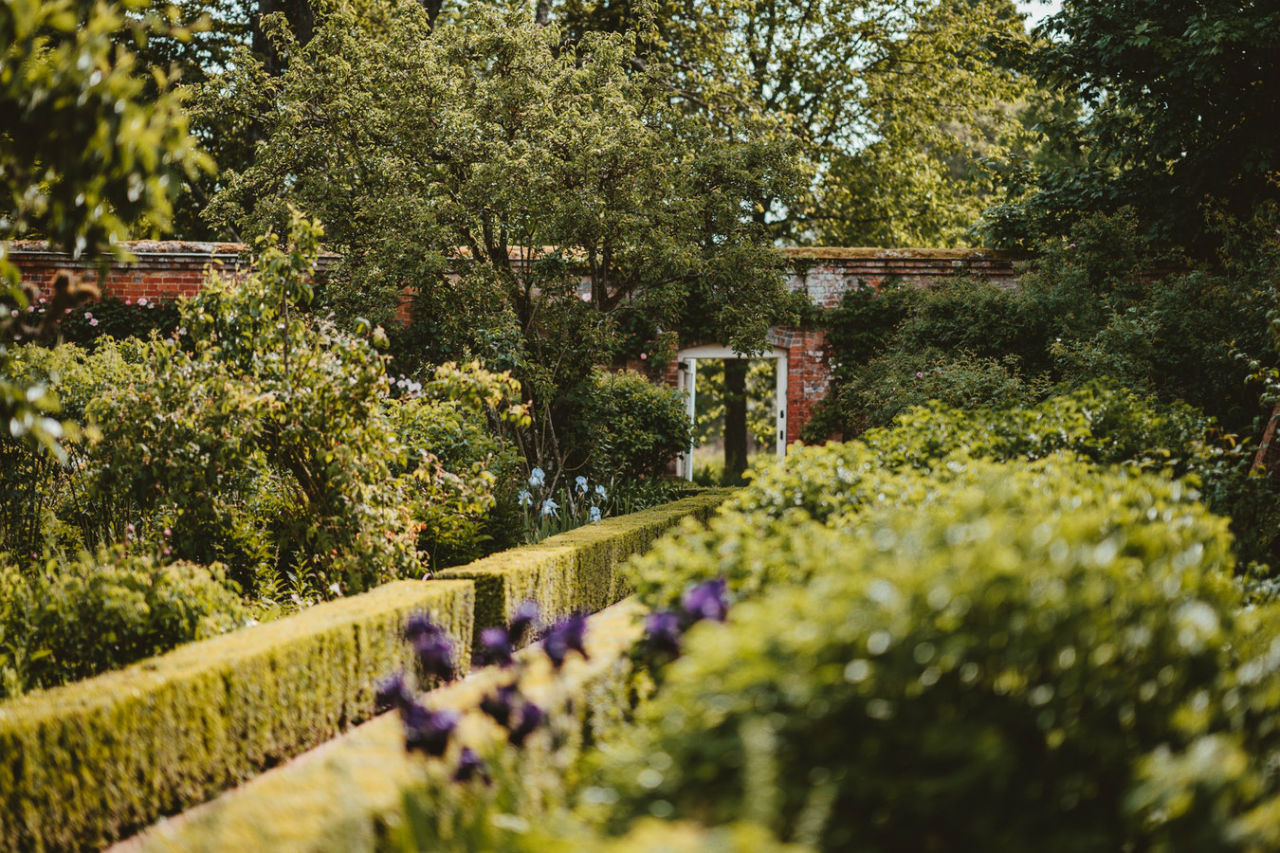
Après plusieurs années à me battre pour avoir une jolie haie de laurier autour de la maison, j’ai baissé les bras face aux multiples obstacles rencontrés. Je suis donc passée à la haie artificielle il y a quatre ans maintenant, et je ne regrette pas mon choix !
Mes motivations
Pour se sentir en sécurité comme à l’abri des regards, il n’y a rien de mieux qu’une haie bien touffue. En effet, à moins de mettre des herses en haut des murs et des barrières, la haie n’a pas son pareil pour se protéger des intrusions intempestives tout en se sentant bien chez soi. En effet, après une journée de travail enfermée dans un bureau, j’ai besoin de respirer et de voir du vert… et non pas de me sentir encerclée par un mur, alors que je me délasse au milieu de mon jardin !
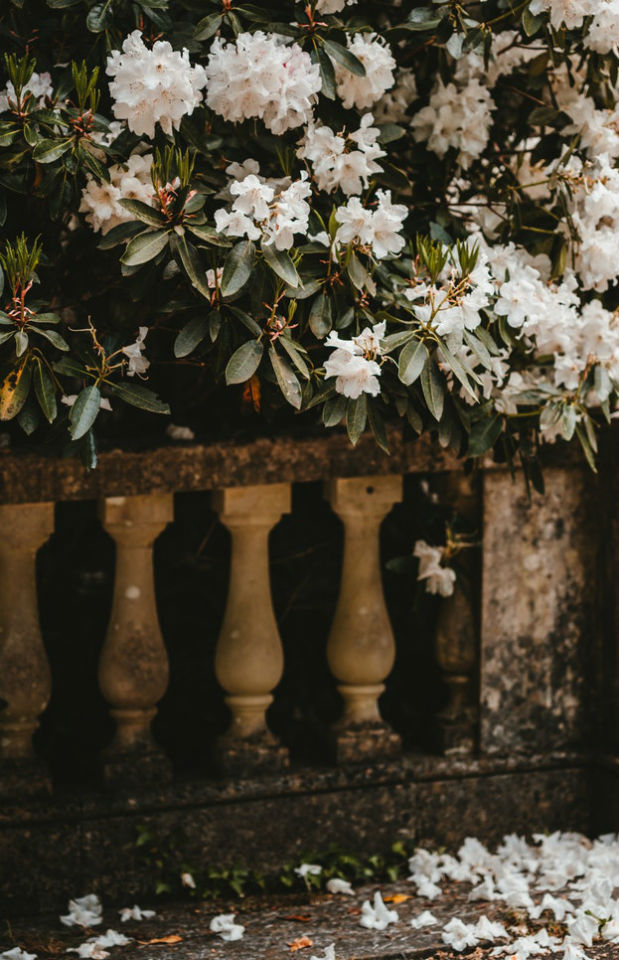
L’entretien de ma haie de lauriers était très compliqué
Je ne suis pas vraiment ce que l’on appelle « une main verte », mais je n’ai pas non plus pour habitude de faire mourir mes plantes. On va dire que je suis dans la moyenne. Néanmoins, et alors que les haies de lauriers semblent un jeu d’enfants pour tous, elles m’ont causé beaucoup de soucis dès leur plantation. J’ai d’abord eu le gel qui les a abîmées, puis il y a eu différents parasites et pour terminer un champignon qui a contaminé tous mes arbres sur certaines zones en raison de leur faible ensoleillement… Un vrai casse-tête et une haie un peu tristounette malgré mes efforts et mes soins.
Les avantages de la haie artificielle
J’ai donc décidé de passer à la haie artificielle. Déjà, parce que ce n’est pas si cher que je ne le pensais, et puis finalement, lorsque l’on additionne les coûts d’achat et les frais d’entretien, on y trouve rapidement son compte.
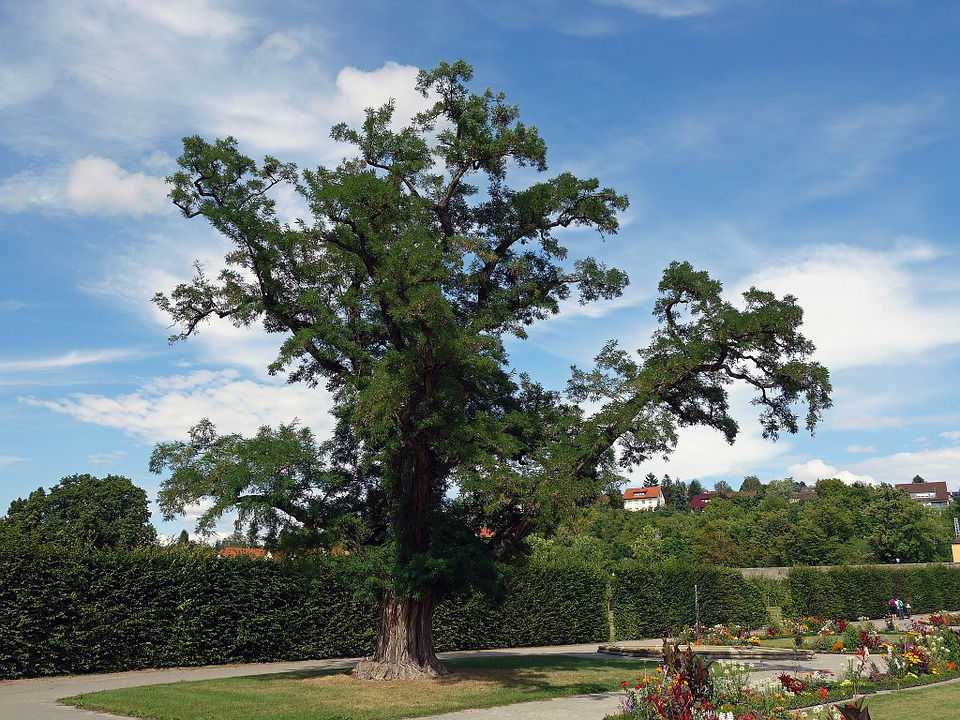
La haie artificielle est simple à poser, à entretenir et elle est très résistante aux intempéries
Ensuite, parce que j’en avais marre de traiter, retraiter et soigner ma haie sans grand succès
: elle n’a jamais été aussi belle que je l’imaginais lorsque j’avais acheté les premiers arbres.
Par ailleurs, après quatre années sous les pires intempéries (nous n’avons pas été épargnés ces deux
derniers hivers !), ma haie est comme neuve : sa couleur n’a pas changé et elle n’a pas été abîmée par le
vent ou les pluies.
Le point positif, c’est que finalement c’est une très bonne solution écologique ! En effet, il n’y a plus
besoin de les arroser ni d’utiliser des produits pour combattre les divers parasites et maladies contre
lesquels je me suis arrachée les cheveux ces dernières années.
Et puis, plus besoin de les tailler, de ramasser les feuilles : tous les avantages d’une jolie haie sans ses
inconvénients. Alors, non, je ne regrette vraiment pas ma haie artificielle que je me suis procurée sur gardens.fr !