
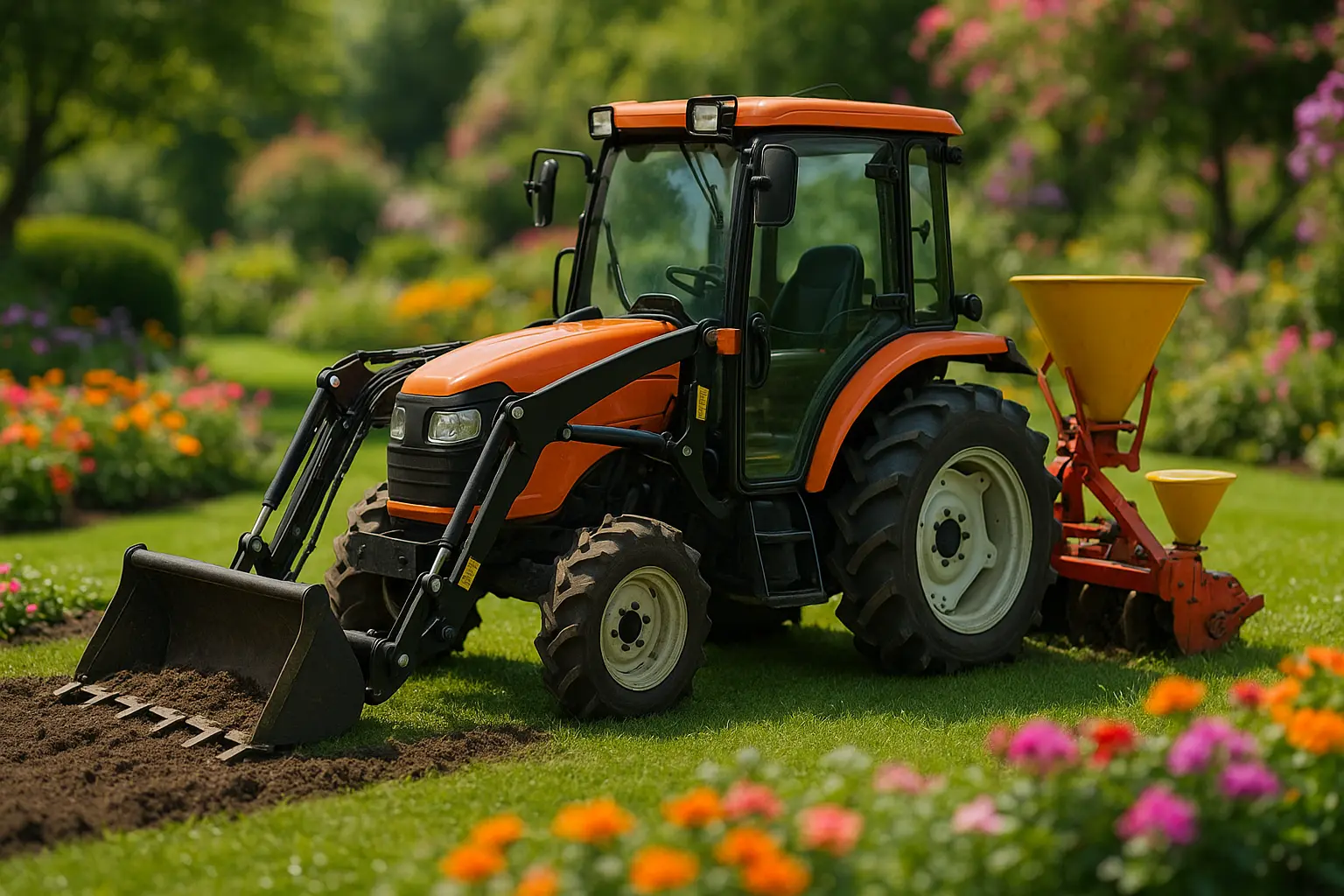
Imagine walking through a lush garden, witnessing an array of vibrant crops and exquisite landscapes meticulously crafted. But have you ever wondered about the tools that create such magic? As we delve into the world of farming and gardening, a paradigm shift is taking place. Traditional agricultural machinery is being reimagined to cater specifically to the intricate needs of gardening and landscaping. This fusion of technology and creativity not only enhances efficiency but also redefines how we approach green spaces. Whether you’re a seasoned farmer or an emerging landscaper, understanding this integration opens new horizons in field operations.
Transforming Traditional Tractors and Tools
When you think of a tractor, the image of a robust machine plowing through expansive fields comes to mind. However, in the evolving landscapes of gardening, these machines are being reshaped to serve more delicate purposes. Today’s tractors are equipped with sophisticated attachments that cater to the nuanced demands of gardening tasks.
Let’s explore how these versatile machines are making waves in landscaping:
- Precision Engineering: Modern tractors are fitted with state-of-the-art sensors, enabling precise operations in limited spaces. This technology ensures that every inch of your garden receives the care it deserves.
- Versatile Attachments: From aerating soil to leveling grounds, attachments have revolutionized the way we conduct field operations. These tools are designed to be interchangeable, allowing for seamless transitions between different tasks.
- Eco-Friendly Advancements: As sustainability becomes a global priority, the agricultural machinery industry is following suit. Newer machines are designed to be fuel-efficient, reducing the environmental footprint while delivering exceptional performance.
In essence, transforming traditional equipment to cater to gardening tasks not only enhances productivity but also ensures a sustainable approach to landscaping.
Adapting Machinery for Unique Landscapes
Gardening is more than just planting; it’s about crafting an ecosystem. Each landscape presents its unique challenges, demanding specialized machines and methodologies. Farmers and landscapers alike are turning to customized equipment to meet these dynamic needs.
Here’s how machinery is being adapted for varied landscapes:
- Hilly Terrains: Navigating uneven landscapes requires machinery with superior adaptability. Modified tractors equipped with advanced suspension systems ensure stability and precision on slopes.
- Compact Gardens: Urban gardens present space constraints. Miniature machines tailored for smaller plots facilitate efficient work without compromising on the quality of results.
- Water-Intensive Areas: Landscapes that require extensive irrigation benefit from machinery designed for optimal water distribution. These tools not only manage water resources efficiently but also maintain soil integrity.
By customizing machinery to suit different environments, we’re not just enhancing operations but fostering biodiversity and promoting sustainable growth.
The Role of Technology in Modern Gardening
Technology is the driving force behind modern gardening, bridging the gap between traditional practices and future innovations. By integrating cutting-edge technology with agricultural equipment, the realm of gardening has entered a new era.
Consider these technological advancements:
- Automation in Equipment: Many machines now come with automation features, making routine tasks less labor-intensive. This allows farmers to focus on creative aspects of landscaping rather than mundane labor.
- Data-Driven Insights: Sensors and IoT devices collect valuable data about soil health, climate conditions, and plant needs. This information helps in making informed decisions, ensuring that crops and landscapes thrive.
- Remote Monitoring: With the rise of smart technology, monitoring field activities is now possible from the palm of your hand. This flexibility not only saves time but also ensures timely interventions.
Integrating technology with traditional farming methods marks a significant leap forward, allowing us to cultivate gardens with precision and care.
As we stand at the crossroads of innovation and tradition, the transformation of agricultural machinery to meet the demands of modern gardening is nothing short of revolutionary. By harnessing the power of technology, we not only enhance field operations but also open doors to a sustainable future.
The journey from farm to garden is paved with possibilities, and as we continue to adapt and evolve, the landscapes we shape today will stand as testaments to human ingenuity and resilience. The next time you step into a garden, remember the machines and minds that make its breathtaking beauty possible.
FAQ
How can existing agricultural machinery be adapted for use in gardening and landscaping?
To adapt agricultural machinery for gardening and landscaping, you can modify the equipment’s attachments to better handle smaller, more delicate tasks. Additionally, adjusting the machinery’s power settings and ensuring it can navigate tighter spaces will help it function effectively in a landscaping environment.
What are the benefits of using modified agricultural machinery in gardening?
Using adapted agricultural machinery in gardening can increase efficiency by covering larger areas quickly. It also reduces manual labor, allowing for more precision in tasks such as seeding, planting, and maintenance. This can lead to healthier plants and more aesthetically pleasing landscapes.
Are there specific attachments available for converting agricultural machinery for landscaping purposes?
Yes, there are various attachments available that can convert traditional agricultural machinery for landscaping tasks. These include specialized blades for mowing, tillers for soil preparation, and sprayers for targeted application of fertilizers or pesticides.
What considerations should be made when selecting agricultural machinery for landscaping tasks?
When selecting machinery for landscaping, consider the size and type of the area being worked on, the specific tasks required, and the machine’s ability to navigate around existing plants or structures. Compatibility with various attachments is also crucial for versatility in different landscaping projects.
Is it cost-effective to modify existing agricultural machinery for gardening and landscaping?
Modifying existing machinery can be cost-effective if you already own the equipment, as it may only require purchasing specific attachments or making small adjustments. However, if new machinery is needed, evaluating the cost versus the potential savings in labor and efficiency is important.