In the ever-evolving landscape of modern industries, from cutting-edge manufacturing to service-based sectors, the interoperability of data, systems, and automation holds the key to success. As industries strive for seamless integration and control of complex systems, the challenge of achieving standardization emerges as both a crucial milestone and a daunting obstacle. Today, we will delve into the intricacies of industrial automation, exploring how businesses can navigate the often-turbulent waters of integration and management to establish a unified operational front.
Welcome to a world where technology meets business needs head-on, where every device speaks the same language, and where standardization is more than a goal—it’s the language of the future.
Understanding the Landscape of Interoperability
In our interconnected world, the quest for interoperability is more relevant than ever. However, the path to achieving it is often riddled with complexities. Interoperability, at its core, is about ensuring that various systems, including software, machines, and devices, can communicate and function harmoniously, regardless of their origins.
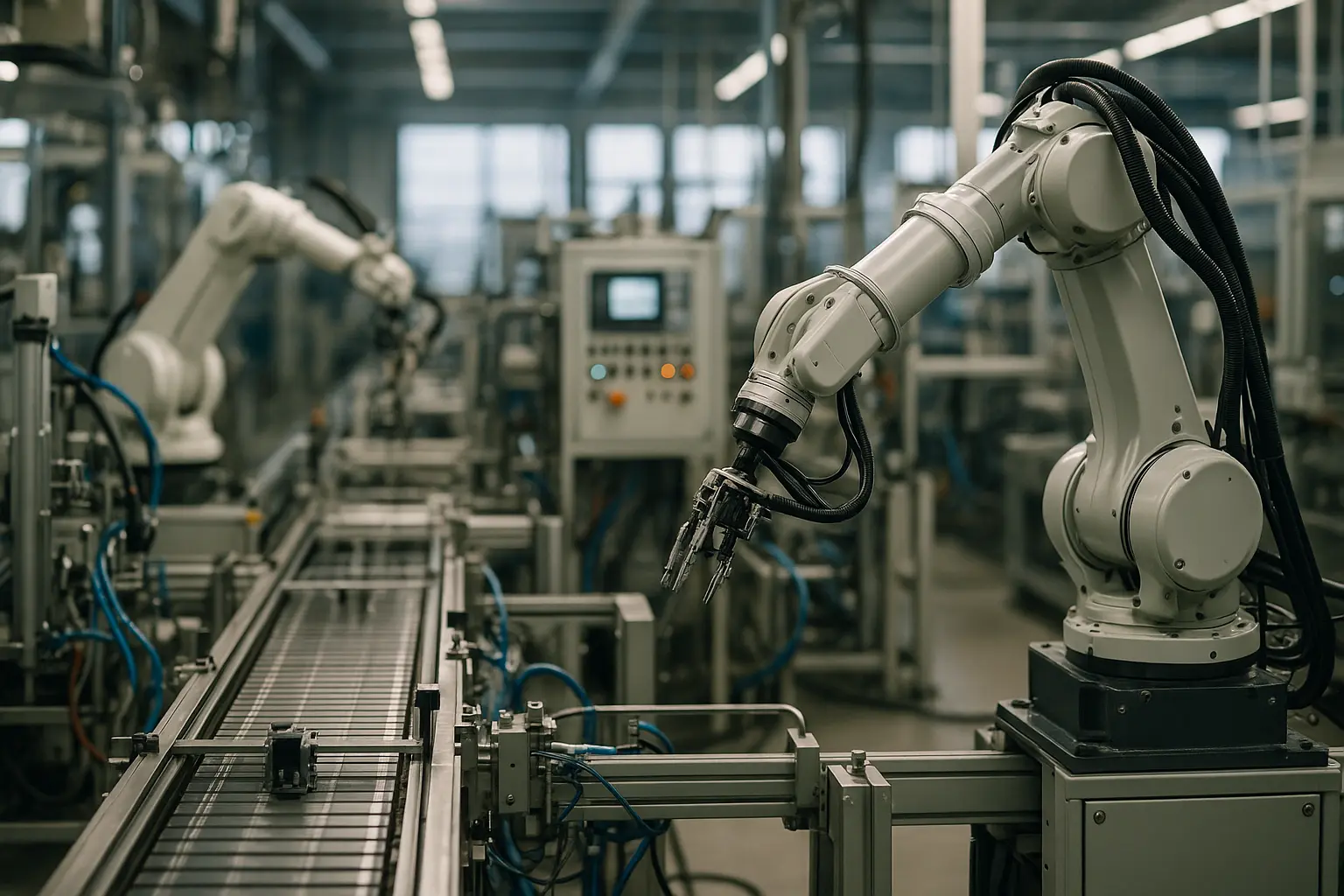
Imagine a factory floor bustling with different automation machines, each built by different manufacturers with their unique standards. The challenge here lies in ensuring these machines work in tandem without any hiccups. Data must flow freely across systems to facilitate real-time decision-making, enhance efficiency, and maintain quality control.
To make this happen, industries need to adopt universal standards that foster seamless integration. Yet, the reality is that the journey is fraught with challenges, chief among them being the lack of universally accepted protocols. Variability in standards often results in fragmented systems, increasing operational costs and complicating management.
Ultimately, the goal is to establish a centralized control framework that can oversee and manage disparate systems effectively. This requires not only a shift in technological approaches but also a change in business mindset. It’s about fostering collaboration across sectors to build a future where all automation systems speak the same language.
The Challenges in Standardizing Automation Systems
In the relentless pursuit of automation, industries are grappling with the task of defining universally accepted standards. Standardization not only simplifies the integration of different systems but also ensures that they operate at optimal efficiency. However, achieving this level of uniformity is a monumental task.
The first challenge is the sheer diversity of industrial systems. Automation machines and their software vary greatly, each designed to address specific needs in distinct operational environments. This diversity often leads to data silos, where valuable information fails to move across systems smoothly, hindering decision-making processes.
Another hurdle is the varying pace of technological advancements. While some sectors leap ahead in embracing the latest innovations, others lag, creating disparities in the adoption of standards. Consequently, businesses face the arduous task of bridging these gaps and ensuring their systems remain compatible with emerging technologies.
Moreover, navigating standards developed by different organizations can be overwhelming. With multiple entities vying to set the benchmarks, industries often find it challenging to align their operations with these varied guidelines. This fragmentation can stifle innovation and lead to inefficiencies.
To address these challenges, industries must come together to cultivate a culture of collaboration and open dialogue. By fostering partnerships and investing in research, businesses can jointly develop standards that pave the way for seamless integration, encouraging widespread adoption and simplifying management practices.

Innovative Integration Strategies for Modern Businesses
In today’s fast-paced industries, innovative integration strategies are the backbone of successful operations. These strategies are designed to break down barriers and forge connections between systems that previously couldn’t communicate. The result? A powerful, unified network of automation machinery that works in harmony.
One strategy gaining traction is the implementation of open-source platforms. By adopting these platforms, businesses can customize their software to suit their unique needs while ensuring compatibility across different systems. This adaptability allows for seamless data exchange and fosters a collaborative environment where businesses can share resources and insights.
Moreover, the rise of the Internet of Things (IoT) has revolutionized the way industries approach integration. IoT devices, with their ability to collect and transmit data in real-time, empower businesses to make informed decisions quickly. By harnessing the power of IoT, industries can achieve unparalleled levels of automation and control.
Cloud-based solutions also play a pivotal role in modern integration strategies. By moving operations to the cloud, businesses not only reduce infrastructure costs but also gain access to scalable resources. This facilitates real-time collaboration and enables the seamless flow of data across systems, ensuring that information is readily available when needed.
Ultimately, the success of these strategies hinges on a forward-thinking approach that embraces change and drives innovation. By adopting modern integration techniques, industries can thrive in an increasingly competitive landscape, achieving efficiency and flexibility for the future.
The Importance of Embracing Industry Standards
At the heart of effective interoperability lies the commitment to standardization. By embracing industry standards, businesses can unlock a host of benefits that propel them toward greater efficiency and innovation. In a world where data is the new currency, adhering to established standards is nothing short of essential.
Industry standards serve as a common framework within which different systems can operate smoothly. They facilitate seamless integration and ensure that diverse devices and machines can communicate effectively. This uniformity eliminates data silos and allows for streamlined operations, where information flows unhindered across departments.
Moreover, adopting standards can significantly reduce operational costs. By ensuring compatibility, businesses can avoid the expenses associated with custom integrations and bespoke solutions. Instead, they can focus on optimizing their existing systems and investing in innovation.
Standardization also fosters business growth by opening up new markets and opportunities. With a solid foundation in standardized systems, companies can expand their reach and collaborate with global partners, capitalizing on the potential of new technologies.
To embrace industry standards, businesses must prioritize continuous learning and adaptation. By staying informed about emerging trends and participating in industry consortiums, they can ensure their operations remain at the forefront of technological advancements. In doing so, they not only achieve interoperability but also position themselves as pioneers in their respective fields.
As we navigate the dynamic world of industrial automation, the challenges of achieving standardization and interoperability are both profound and surmountable. By embracing forward-thinking strategies and fostering a spirit of collaboration, businesses can overcome these obstacles and unlock a future where data, systems, and automation coexist harmoniously.
The journey to a unified operational landscape demands an unwavering commitment to standards, innovative integration techniques, and a proactive approach to embracing change. As we continue to explore the endless possibilities of technology, the promise of a seamless, connected world is within reach.
Together, we can forge the path to a future where every device, machine, and system speaks the same language, propelling industries toward new heights of success and innovation.
FAQ
What are the main challenges in achieving standardization across different automation systems?
The primary challenges include compatibility issues between different manufacturers’ systems, varying communication protocols, and differing data formats. Each system may have its own unique setup, leading to difficulties in seamless integration.
Why is interoperability important in automation systems?
Interoperability ensures that various automation systems can work together efficiently, allowing for smoother operations, better data flow, and a reduction in costly errors or downtime. It also enables scalability and easier upgrades.
How do differing communication protocols impact automation system integration?
Different communication protocols can create barriers, as each protocol may have its own set of rules and formats for data transmission. This can lead to mismatches and require additional conversion tools or middleware to facilitate communication between systems.
What role do industry standards play in resolving interoperability issues?
Industry standards provide a common framework and set of guidelines that manufacturers can follow to ensure compatibility. This harmonization helps in reducing integration time, costs, and potential errors when connecting different systems.
What strategies can be employed to overcome standardization challenges in automation?
Strategies include adopting widely accepted industry standards, investing in modular and flexible system designs, and engaging in collaborative efforts with other industry players to align on common practices and technologies.