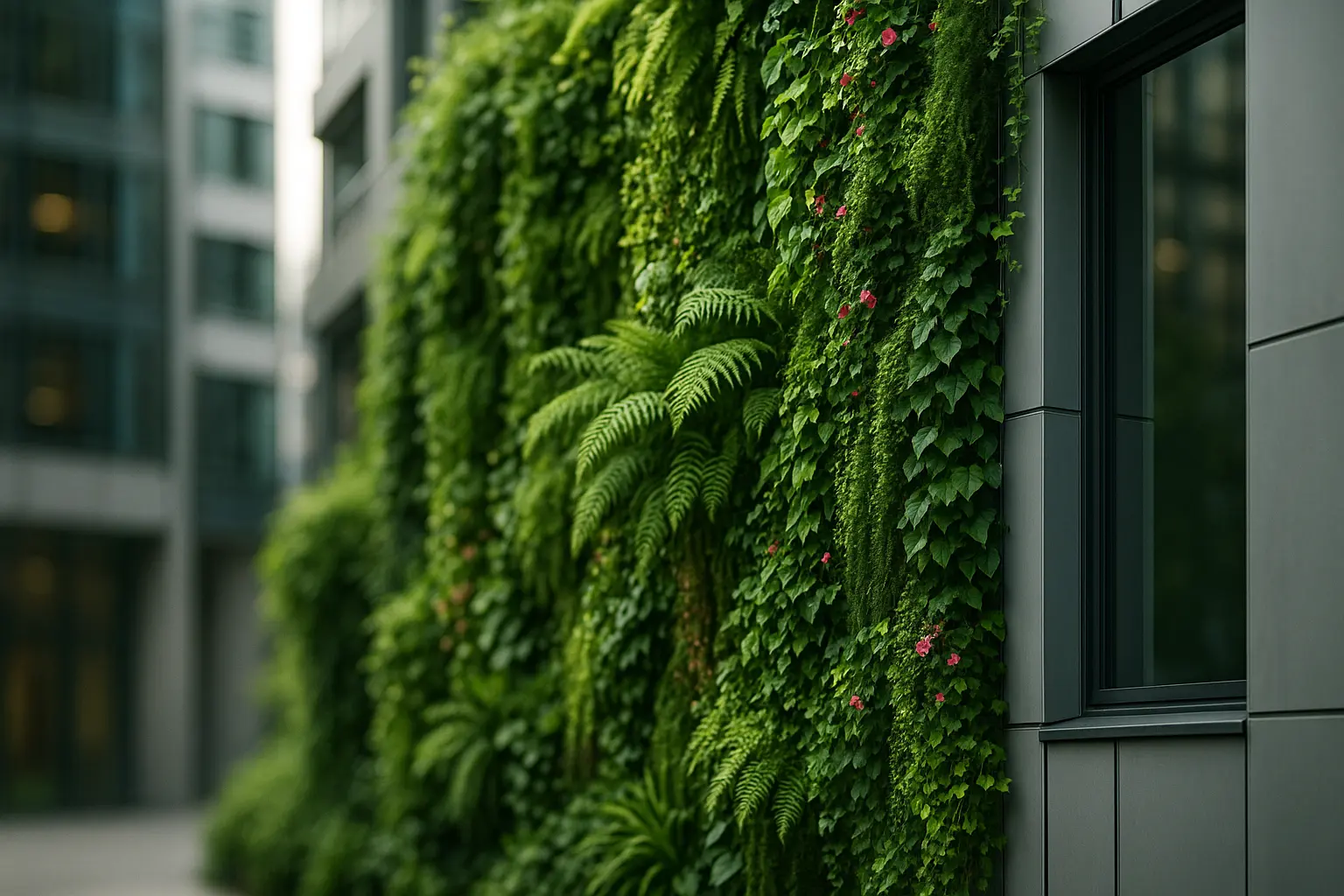
In the bustling world of urban living, space is increasingly becoming a luxury. As cities grow, the challenge of incorporating nature into the concrete jungle is more pressing than ever. That’s where the magic of vertical gardens and green walls comes into play. These fascinating innovations allow us to bring gardening right to our walls, serving as a sustainable solution for maximizing space while enhancing the quality of the air around us. They are not just functional; they are also a testament to modern design and a nod to our innate connection to nature. Let’s explore how these incredible installations are revolutionizing urban landscapes.
A Breath of Fresh Air: The Benefits of Green Walls
Imagine walking into a room and being greeted by the lush greenery of a living wall. Not only does it soothe the eyes, but it also purifies the air around us. Plants naturally filter pollutants and carbon dioxide, providing us with cleaner, fresher air. This natural air purification process can significantly improve our overall well-being.
Moreover, these vertical gardens contribute to healthier indoor environments. They moderate humidity levels, reducing indoor pollution and mitigating the effects of sick building syndrome. Additionally, green walls act as natural insulators, helping to regulate indoor temperatures. This not only improves energy efficiency but also cuts down on heating and cooling costs.
In urban settings, the presence of green spaces is crucial in reducing the urban heat island effect. Vertical gardens serve as a buffer, absorbing and reflecting solar radiation. By incorporating these structures into our urban spaces, we can create a more eco-friendly and sustainable cityscape.
Designing With Nature: Aesthetic and Functional Appeal
The art of designing vertical gardens is where functionality meets aesthetics. These structures can transform drab, lifeless walls into vibrant, living canvases. The possibilities are nearly endless, limited only by creativity and design acumen.
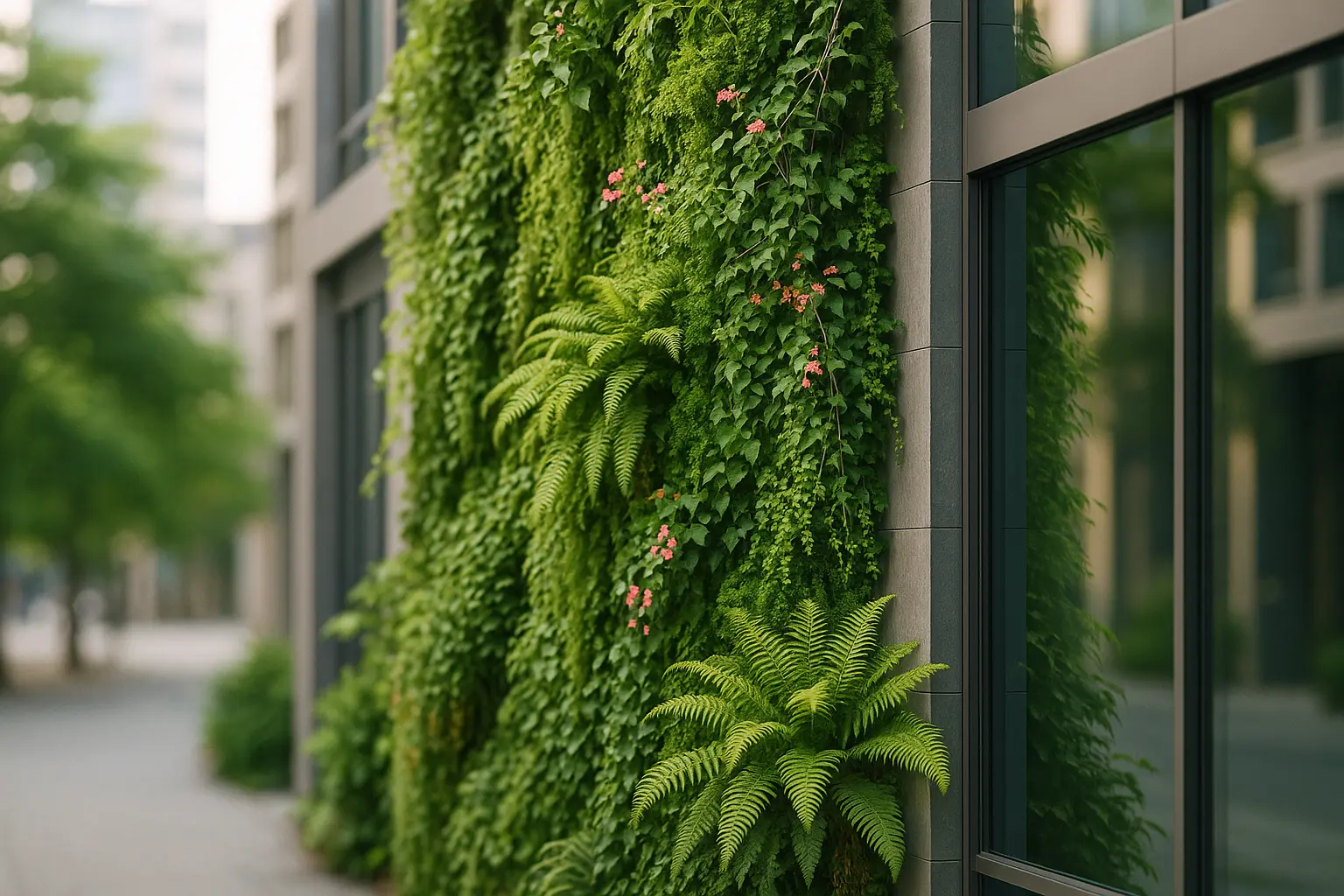
When designing a green wall, choosing the right plants is crucial. Consideration of light, humidity, and temperature is essential to ensure plant survival and growth. The palette can vary from lush ferns and ivy to exotic orchids and colorful blooms. The aim is to create a harmonious balance that complements the architecture and ambiance.
Moreover, green walls serve as effective sound barriers, reducing noise pollution in both indoor and outdoor environments. This makes them ideal for bustling urban areas where peace and tranquility are often hard to find.
From corporate buildings to private residences, the inclusion of green walls adds a touch of elegance and sophistication. They are a visual delight, providing an ever-changing art form as plants grow and evolve, continuously offering a new experience.
Systems and Sustainability: Building the Future
The heart of a successful vertical garden lies in its system design. Modern irrigation systems are the backbone, ensuring that every plant receives adequate water and nutrients. These systems can be high-tech, equipped with sensors and timers, or simpler manual setups that suit smaller spaces.
Sustainability is a cornerstone of the green wall movement. Using recycled materials and native plants minimizes environmental impact and fosters biodiversity. These walls can even serve as habitats for urban wildlife, inviting birds and insects to coexist in our spaces.
Furthermore, the modular design of these systems makes them incredibly versatile. They can be customized to fit any wall size or shape, making it easier to incorporate greenery into existing structures. This adaptability is crucial in urban areas where every square foot counts.
As we design for the future, the integration of technology with nature becomes more prevalent. Smart gardens are emerging, where data is used to track plant health, optimize water usage, and even predict growth patterns. This marriage of tech and nature is paving the way for the next generation of urban gardening.
Nature’s Embrace: The Human Connection
At the core of our fascination with green walls is an intrinsic desire to reconnect with nature. These vertical gardens provide a retreat from the urban chaos, offering a moment of peace and introspection. They serve as daily reminders of our responsibility to the planet and the importance of sustainable practices.
Creating spaces that resonate with nature has profound psychological benefits. Studies have shown that exposure to greenery can reduce stress, boost mood, and enhance productivity. As urban dwellers, incorporating these natural elements into our daily lives can improve our mental health and overall quality of life.
Green walls also offer an opportunity for community engagement. From public art installations to urban farming projects, these gardens can serve as unifying forces, bringing people together to celebrate and nurture the environment.
As designers, architects, and innovators, it’s on us to champion the cause of sustainable urban development. By integrating vertical gardens and green walls into our surroundings, we’re not just creating beautiful spaces; we’re investing in a healthier, more vibrant future.
Bringing Life to the Walls: A Personal Reflection
As we stand on the cusp of a greener future, vertical gardens and green walls may very well lead the charge toward more sustainable urban living. By embracing these innovations, we’re not just enhancing our spaces; we’re redefining our relationship with nature. Let’s continue to build, plant, and nurture, creating an urban landscape as vibrant and dynamic as the world we dream of.
FAQ
What is the primary purpose of installing vertical gardens and green walls in urban areas?
Vertical gardens and green walls are primarily installed in urban settings to maximize limited space while enhancing air quality. They provide a natural solution to counteract urban heat, improve aesthetics, and contribute to environmental sustainability.
How do vertical gardens contribute to improved air quality?
Vertical gardens aid in purifying the air by absorbing pollutants and carbon dioxide while releasing oxygen. The plants in these gardens act as natural air filters, reducing toxins and improving the overall air quality in the vicinity.
Are vertical gardens suitable for small spaces, and how can they be integrated into limited areas?
Yes, vertical gardens are ideal for small spaces as they utilize vertical space instead of horizontal, making them perfect for balconies, small yards, or even indoor walls. They can be integrated using modular panels, hanging pots, or trellis systems, allowing customization to fit any space.
What types of plants are best suited for vertical gardens to ensure optimal growth and air purification?
Plants that thrive in vertical gardens typically include ferns, ivy, succulents, and certain herbs. These species are chosen for their adaptability to vertical growth and their ability to thrive in various light conditions while effectively purifying the air.
What maintenance is required to ensure the longevity and effectiveness of a vertical garden?
Maintaining a vertical garden involves regular watering, pruning, and occasional fertilization to ensure healthy plant growth. Integrated irrigation systems can simplify watering, while selecting low-maintenance plants can reduce the need for frequent upkeep.