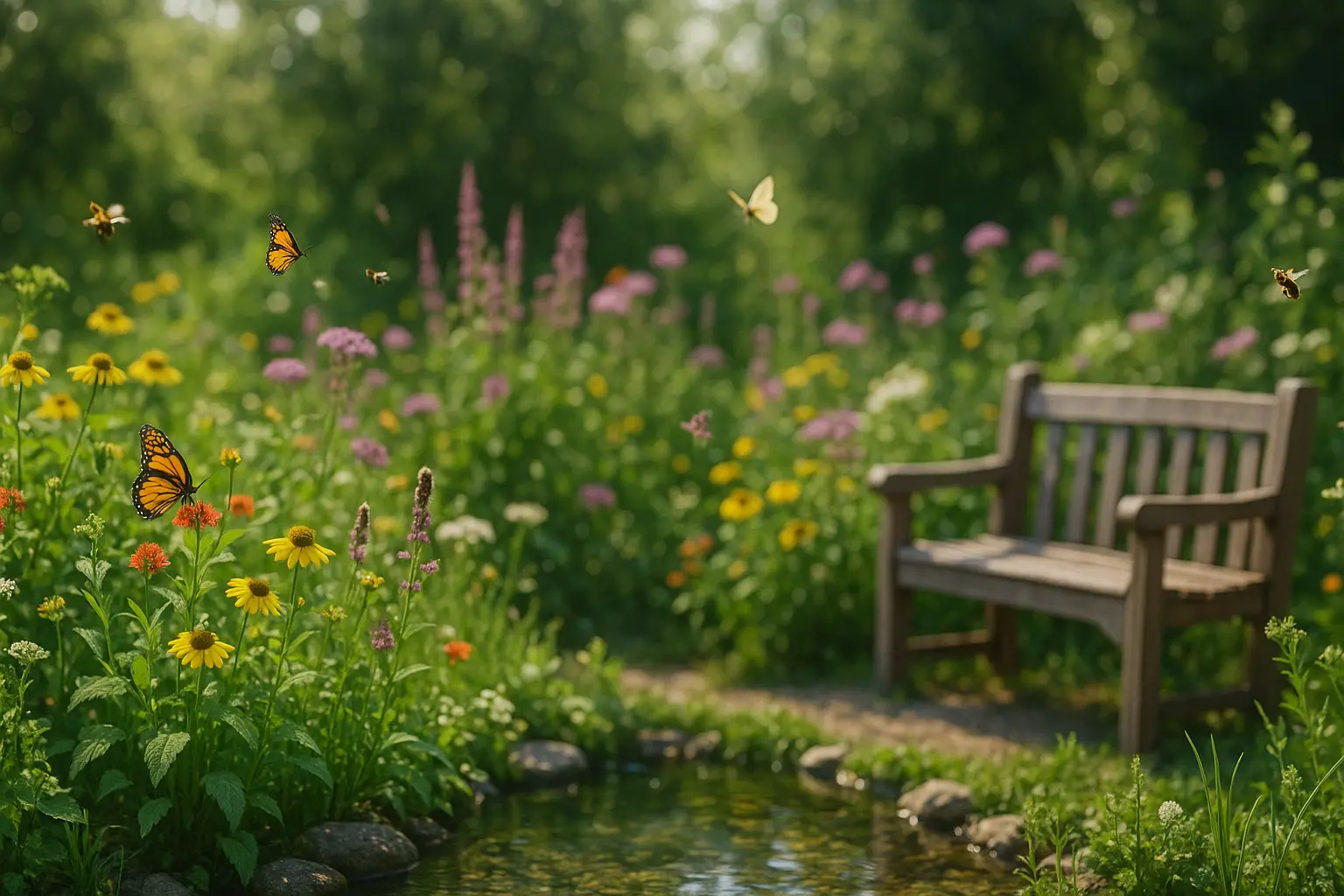
A garden full of exotic, showy flowers is not automatically bad for wildlife, and a garden full of native plants is not automatically a thriving ecosystem either. That surprises a lot of people who assume the native-versus-exotic question settles biodiversity on its own. Recent research on urban pollinators shows the picture is more nuanced: what actually matters most is floral abundance and diversity across the whole season, with native planting as one strong tool among several, not the entire answer.
An ecological garden supports biodiversity by combining a diverse, densely flowering plant palette with healthy soil, water-wise practices, and deliberate habitat features, rather than relying on any single tactic in isolation. The goal is a garden that functions as a small, self-sustaining ecosystem rather than a decorative backdrop that happens to contain plants.
- Floral richness and continuous bloom throughout the seasons matter more to pollinators than strict native-only planting.
- Private gardens, taken together, cover more land than many formal conservation areas, making them a real force for urban biodiversity.
- Healthy, biologically active soil underpins every other ecological goal in the garden.
- Small habitat features, from log piles to shallow water sources, do more for wildlife than they cost in effort.
What the Native Plants Debate Actually Shows
Native plants have co-evolved with local insects and birds, which is why they remain a strong default choice for anyone designing an ecological garden. But research published on pollinator visitation in ornamental and mixed plantings has found more nuanced outcomes than a simple native-good, exotic-bad rule: in some studies, native species did not significantly outperform well-chosen non-native flowers in attracting bees and other beneficial insects. What consistently mattered was the overall richness and abundance of flowering plants across the garden, not the origin of each species alone.
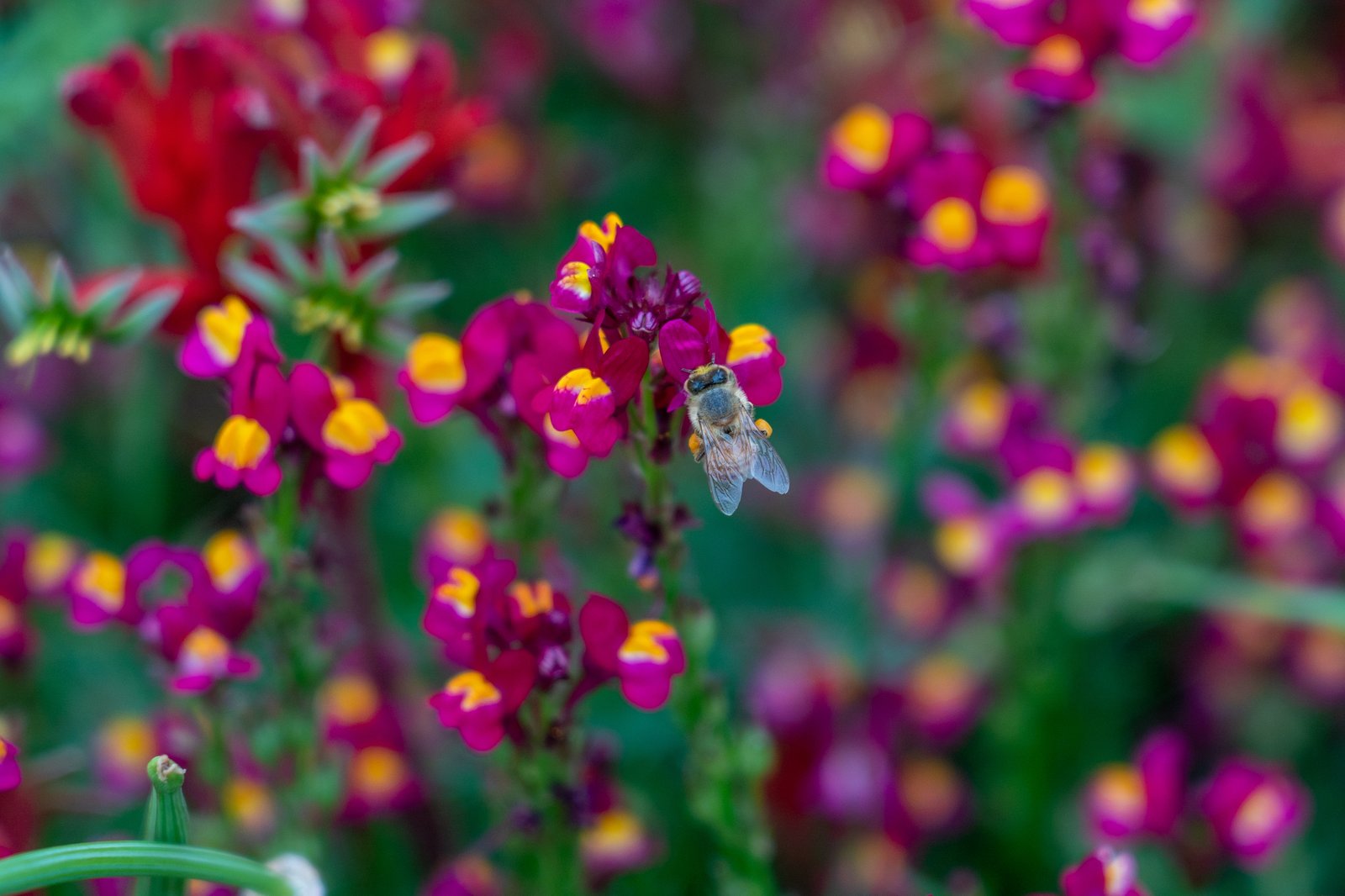
This does not make native planting a lesser priority. It means the practical takeaway is broader: build a plant palette with continuous bloom from early spring through late autumn, lean toward native species where they fit the site, and treat exotic ornamentals as a legitimate complement rather than a compromise, as long as the overall garden stays flower-rich and chemical-free.
Water-Wise Practices That Support Rather Than Strain the Garden
Water conservation in an ecological garden is not just a resource-saving measure, it directly shapes which species can thrive there. Xeriscaping principles, which pair drought-tolerant plant choices with improved soil structure, reduce irrigation demand substantially while still supporting a full range of pollinators adapted to drier conditions. Mulching reinforces this by slowing evaporation and buffering soil temperature swings.
Rainwater harvesting adds a practical layer on top of these choices. A simple collection system reduces reliance on municipal water during dry spells, and the stored water can be directed through drip irrigation aimed at root zones rather than sprayed broadly, which cuts both waste and the risk of fungal disease on foliage.
Designing Habitat Features Wildlife Actually Uses
Structural variety does more for wildlife than most gardeners expect. Layering plant heights, from ground cover through shrubs to small trees, creates nesting and shelter options for different species at once: ground-dwelling insects, mid-height nesting birds, and canopy-dependent species can all coexist in the same modest footprint. A single water feature, even something as simple as a shallow birdbath, becomes disproportionately valuable in a dry garden, drawing amphibians, birds, and pollinating insects that would otherwise pass it by.
Corridors between green spaces matter at a larger scale. A hedge, a narrow planted strip, or even a line of potted shrubs connecting one garden to a neighboring green space allows small species to move safely between habitats, which supports genetic diversity and resilience against local disturbances far better than isolated patches of green ever could.
Why Soil Health Comes Before Everything Else
Every ecological goal in a garden depends on what happens below the surface first. Organic matter, particularly compost, builds soil structure and moisture retention while reducing the need for synthetic fertilizer, which in turn keeps the surrounding food web free of chemical residue. A basic soil test, inexpensive and often available through a local agricultural extension service, reveals nutrient gaps and pH issues before they show up as struggling plants.
Compaction is the quiet enemy of soil health, since it blocks the air and water movement roots and soil organisms depend on. Limiting foot traffic on planting beds and using permeable paths instead of solid paving keeps soil biologically active. Cover crops and green manures, planted in fallow beds between seasons, add another layer of natural enrichment without a bag of fertilizer in sight.
| Practice | Primary benefit | Effort to implement |
|---|---|---|
| Diverse, continuous-bloom planting | Supports pollinators year-round | Moderate, needs seasonal planning |
| Xeriscaping and mulching | Reduces water use | Low once established |
| Compost and soil testing | Builds long-term fertility | Low, ongoing habit |
| Habitat features and corridors | Shelters and connects wildlife | Low to moderate, one-time setup |
In practice, most of these changes are cumulative rather than dramatic. A gardener who adds one flowering shrub each season, switches to compost instead of synthetic fertilizer, and resists the urge to spray at the first sign of an aphid will notice a visibly busier garden within two or three years, not through a single overhaul but through the steady accumulation of small, deliberate choices. That gradual approach also spreads the cost and effort of the transition, which makes ecological design far more achievable for an average household budget than the term sometimes suggests.
This layered approach overlaps closely with the use of native plants to promote local wildlife and reduce maintenance, and it shares a great deal of common ground with permaculture techniques for building resilient gardens, since both aim at a garden that sustains itself rather than one that requires constant intervention.
Frequently Asked Questions
Do I have to remove all non-native plants to make my garden ecological?
No. Current research suggests overall floral diversity and abundance matter more than strict native-only planting. A mix that favors native species while including well-chosen exotic flowers can still support strong pollinator activity.
How quickly can an ecological garden start attracting wildlife?
Simple additions like a shallow water source or a first season of flowering plants can attract pollinators and birds within weeks. Larger changes, such as improved soil health or established habitat corridors, take one to two growing seasons to show their full effect.
Is composting really necessary, or can I just buy fertilizer?
Composting builds long-term soil structure and biological activity that synthetic fertilizer cannot replicate on its own. Fertilizer feeds plants directly but does little for the soil organisms that keep an ecological garden self-sustaining.
What is the easiest habitat feature to add to an existing garden?
A shallow birdbath or small water dish, kept clean and topped up, is usually the fastest way to bring in birds, insects, and occasionally amphibians without any structural changes to the garden.
Can an ecological garden still look formal and tidy?
Yes, biodiversity does not require a wild or unkempt appearance. Structured layouts can still incorporate diverse planting, healthy soil practices, and small habitat features without abandoning a clean, intentional design.
Ecological garden design rewards patience over perfection. A garden that steadily improves its soil, widens its bloom season, and offers even modest shelter to wildlife will outperform one built entirely around a single rule, native or otherwise, within just a few growing seasons.