
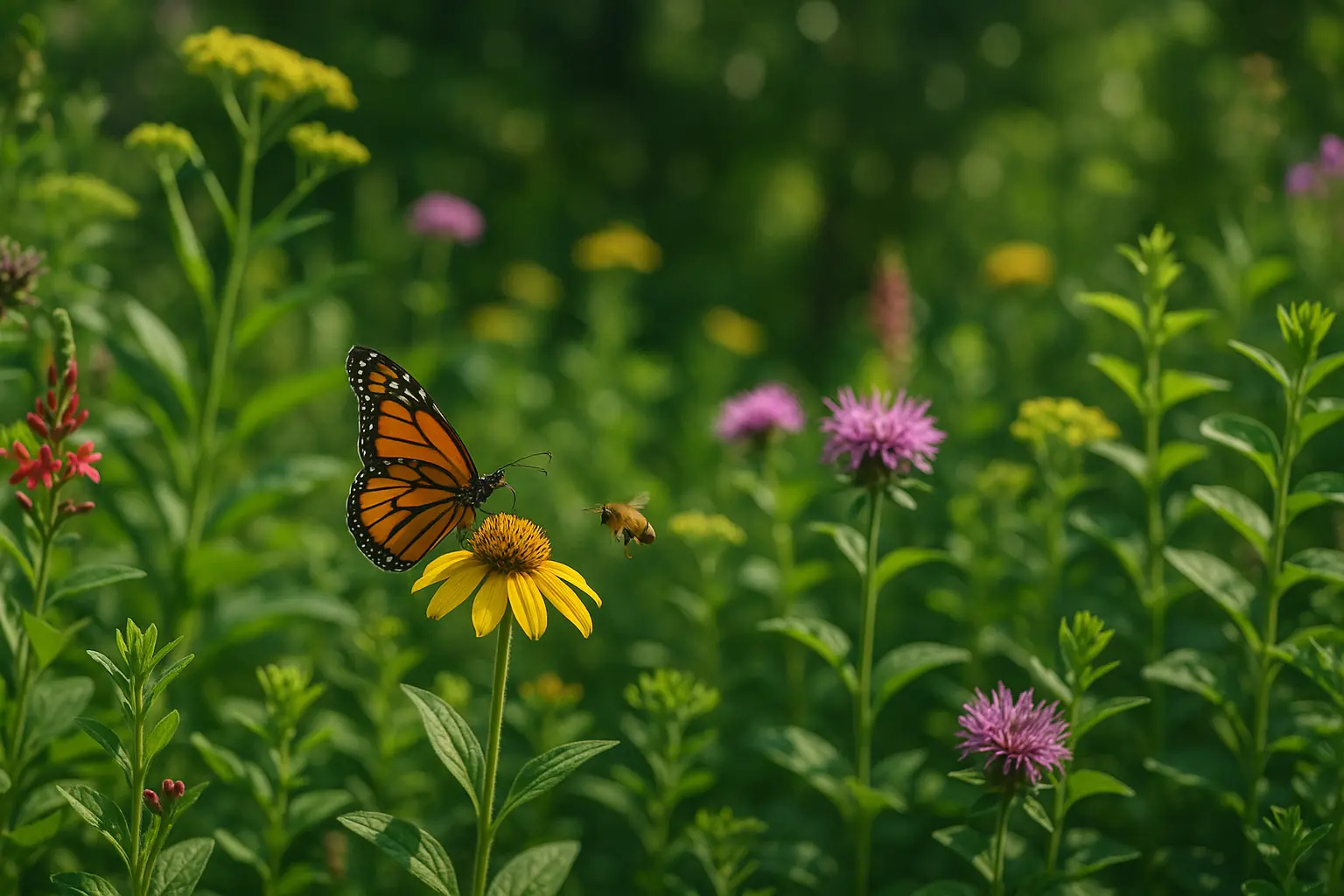
Imagine a garden that thrives with minimal care, attracts a plethora of birds and butterflies, and enriches the local ecosystem. Intrigued? This is the power of native plants—a revolutionary trend in landscaping that harmonizes beauty with sustainability. As we navigate through the modern era, our landscapes have the potential to foster wildlife habitats and promote ecological balance. In this article, we explore the unmatched benefits of incorporating native plant species into our gardens. Whether you’re a seasoned gardener or a curious novice, planting local varieties can bring about a transformative change in your immediate environment. Let’s delve into the vibrant world of native landscaping and discover how we can make a positive impact with each green decision.
Understanding Native Plants and Their Benefits
The term native plants refers to those species that have evolved naturally in a particular region over millennia. They are perfectly adapted to the local climate, soil, and wildlife, making them the ideal choice for sustainable landscaping. Unlike their exotic counterparts, native plants require less water, reducing your garden’s ecological footprint while slashing your utility bills.
But the benefits don’t stop there. Native plants play a crucial role in preserving biodiversity. By opting for these natural wonders, we provide essential habitat and food sources for local wildlife. Birds, bees, and butterflies, in particular, rely heavily on native plants for survival. As traditional landscapes are replaced by urban sprawl, these creatures need sanctuaries to thrive. Our gardens can be that oasis.
In addition, native plants are inherently resilient, requiring minimal maintenance. Their deep root systems stabilize the soil and reduce erosion, while their natural defenses help deter pests, lessening the need for chemical interventions. This makes them a perfect choice for those seeking a low-maintenance garden that still bursts with life. By selecting native species, we not only enhance our landscapes but also contribute positively to the environment. It’s a win-win for everyone involved.
Creating a Native Plant Garden: A Step-by-Step Guide
Embarking on the journey to a native plant garden is both exciting and rewarding. With a bit of planning, we can create a vibrant and thriving landscape that supports local wildlife. Here’s how to start:
1. Understand Your Local Environment: Each region has its own unique ecosystem. Investigate which native plants are best suited to your area by consulting local nurseries, botanical gardens, or online databases.
2. Plan Your Landscape: Consider the natural layout of your space. Identify areas with varying sunlight, moisture, and soil types. This knowledge will guide your plant selection.
3. Select Your Plants: Choose a variety of species that offer diverse benefits—flowers for pollinators, shrubs for shelter, and trees for shade. Prioritize plants that will thrive in your existing soil and climate conditions.
4. Prepare the Site: Clear your garden of invasive species and improve soil quality if needed. Amending the soil with organic matter can help create a fertile foundation for your new plants.
5. Plant with Care: Opt for group plantings to mimic natural ecosystems, ensuring plants support each other. Water your new garden thoroughly, but remember, native plants will require increasingly less water as they establish.
By following these steps, we can create a flourishing space that not only enhances our landscape but also serves as a vital habitat for local creatures.
The Role of Native Plants in Supporting Wildlife
In the age of climate change and habitat loss, our gardens have evolved from ornamental spaces to vital sanctuaries for wildlife. Native plants play an indispensable role in this transformation. By closely observing native ecosystems, we gain insights into the intricate relationships between flora and fauna.
Native plants provide essential sources of nourishment and shelter for a myriad of creatures. For instance, native flowering plants supply nectar for butterflies and bees, crucial for pollination. Similarly, native trees offer nesting sites for birds, while shrubs provide cover from predators. These plants, having co-evolved with local species, are the cornerstone of a balanced ecosystem.
Moreover, native plants offer seasonal benefits. As climates fluctuate, native species are the most resilient, adapting to seasonal changes and providing consistent resources throughout the year. They also help mitigate the spread of invasive species by occupying niches that would otherwise be vulnerable.
Engaging with native plants in our gardens is more than an aesthetic choice; it’s a commitment to conservation. By fostering biodiversity, we become stewards of the natural world right from our backyards. Our efforts provide refuge to wildlife, ensuring these species continue to flourish in an increasingly urbanized landscape. It’s a powerful reminder that every garden can be a haven for the planet’s vital species.
Avoiding Invasive Species: Protecting the Local Ecosystem
The term “invasive species” often conjures images of aggressive plants overtaking landscapes, choking out native species, and disrupting local ecosystems. Unfortunately, this isn’t just an ecological nightmare—it’s a reality we face today. Invasive plants can outcompete natives, leading to a loss of biodiversity and the degradation of habitats.
To combat this, we must be vigilant in our gardening practices. Educating ourselves on which plants are considered invasive in our area is the first critical step. Resources from local agricultural extensions or conservation groups can provide valuable information on identifying and managing invasive species.
When designing our native gardens, the key is to ensure we select plants that won’t inadvertently harm the existing ecosystem. Opt for native alternatives that offer similar characteristics to common invasive plants. For example, if drawn to the visual appeal of a particular non-native species, research to find a native plant that provides the same aesthetic or functional benefits.
We can play a significant role in protecting our ecosystems by being conscientious about our gardening choices. By fostering a garden free of invasive species, we support the health of native plants and the wildlife that depend on them. It’s a small but impactful step in maintaining the ecological balance of our environment.
As we embrace the idea of native plant landscaping, we are not merely nurturing our surroundings but also enacting a profound ecological shift. By choosing native plant species, we cultivate gardens that are as beneficial to wildlife as they are beautiful. We create spaces that demand less maintenance, conserve water, and stand resilient against the challenges posed by an ever-changing climate.
The transition to native plants is more than a trend; it is a movement toward a sustainable future, where our gardens become extensions of their natural environments. Through thoughtful selection and careful design, we can create vibrant habitats that support a diverse array of life while simultaneously enhancing our own enjoyment of nature’s splendor. This journey is about reconnecting with the natural world and recognizing the responsibility we carry in preserving it for generations to come.
Let us continue to plant with purpose, ensuring that each choice we make in our landscapes serves the greater good of our planet. Together, we can cultivate a legacy of environmental stewardship, one garden at a time.
FAQ
What are native plants and why are they important for local ecosystems?
Native plants are species that have evolved naturally in a specific region or environment over thousands of years. They are crucial for local ecosystems because they provide essential food and habitat for native wildlife, support biodiversity, and are adapted to local climate and soil conditions, making them more resilient and sustainable.
How can native plants help attract local wildlife to my garden?
Native plants offer the necessary resources such as nectar, pollen, seeds, and shelter that local wildlife, including insects, birds, and small mammals, rely on. By planting native species, you create a supportive habitat that encourages these creatures to thrive in your garden.
Do native plants require less maintenance compared to non-native species?
Yes, native plants typically require less maintenance because they are adapted to the local climate and soil conditions. This means they require less water, fertilizers, and pesticides, making them a more sustainable and cost-effective choice for landscaping.
What steps should I take to incorporate native plants into my garden?
To incorporate native plants into your garden, start by researching which species are native to your area. Consider the specific conditions of your garden, such as sunlight and soil type, and choose plants that will thrive in those conditions. Then, plan your garden layout and gradually replace non-native species with native ones.
How does using native plants contribute to environmental conservation?
Using native plants contributes to environmental conservation by preserving local biodiversity, reducing water usage, minimizing the need for chemical inputs like fertilizers and pesticides, and supporting the health of local ecosystems. This practice helps maintain ecological balance and encourages sustainable gardening.