
Long before anyone talked about “garden design” as a discipline, rulers were already using water channels and planting layouts to say something specific about power, faith, or order. The four-part chahar bagh gardens built under the Achaemenid Empire, with early traces found at Pasargadae, are one of the clearest examples: a square plot cut into quarters by irrigation canals, meeting at a central pool. That single idea, repeated for over two thousand years across Persia, Mughal India, and later Islamic Spain, is a useful reminder that garden design has never been just decoration. It carries the values of the people who built it.
Historical and cultural context shapes garden design because every layout, plant choice, and material reflects the beliefs, climate, and social structure of the era that produced it. A Persian paradise garden expressed religious symbolism and coped with desert heat. An English landscape garden of the 1750s expressed a political rejection of French absolutism. Understanding these origins helps a modern designer borrow the right lesson from the right tradition, rather than copying a look without knowing what problem it originally solved.
- Persian chahar bagh gardens used a four-quadrant water system to represent paradise and cool the desert air at the same time.
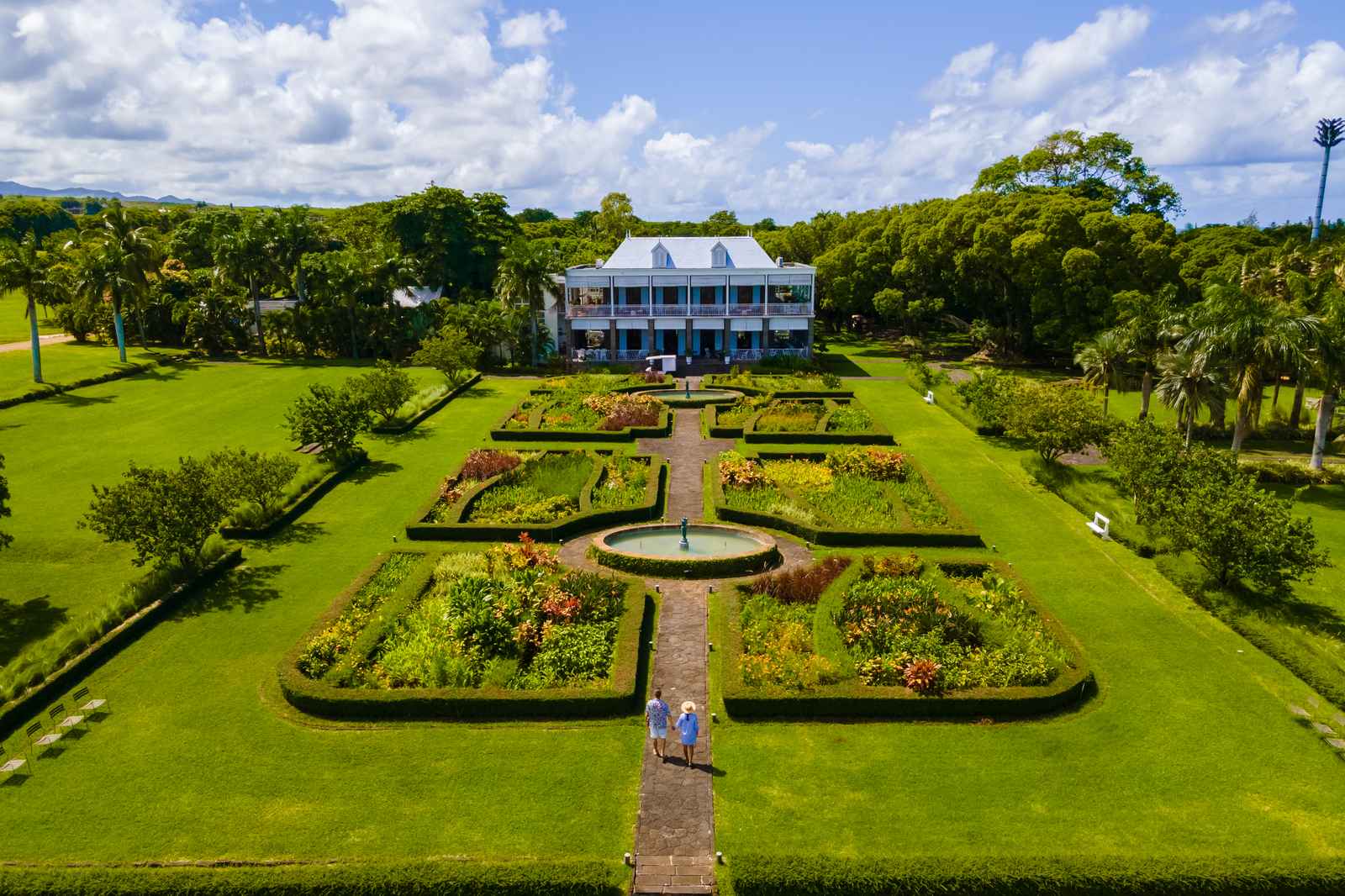
- English landscape gardens replaced French geometric symmetry with rolling, naturalistic scenery as a deliberate political statement.
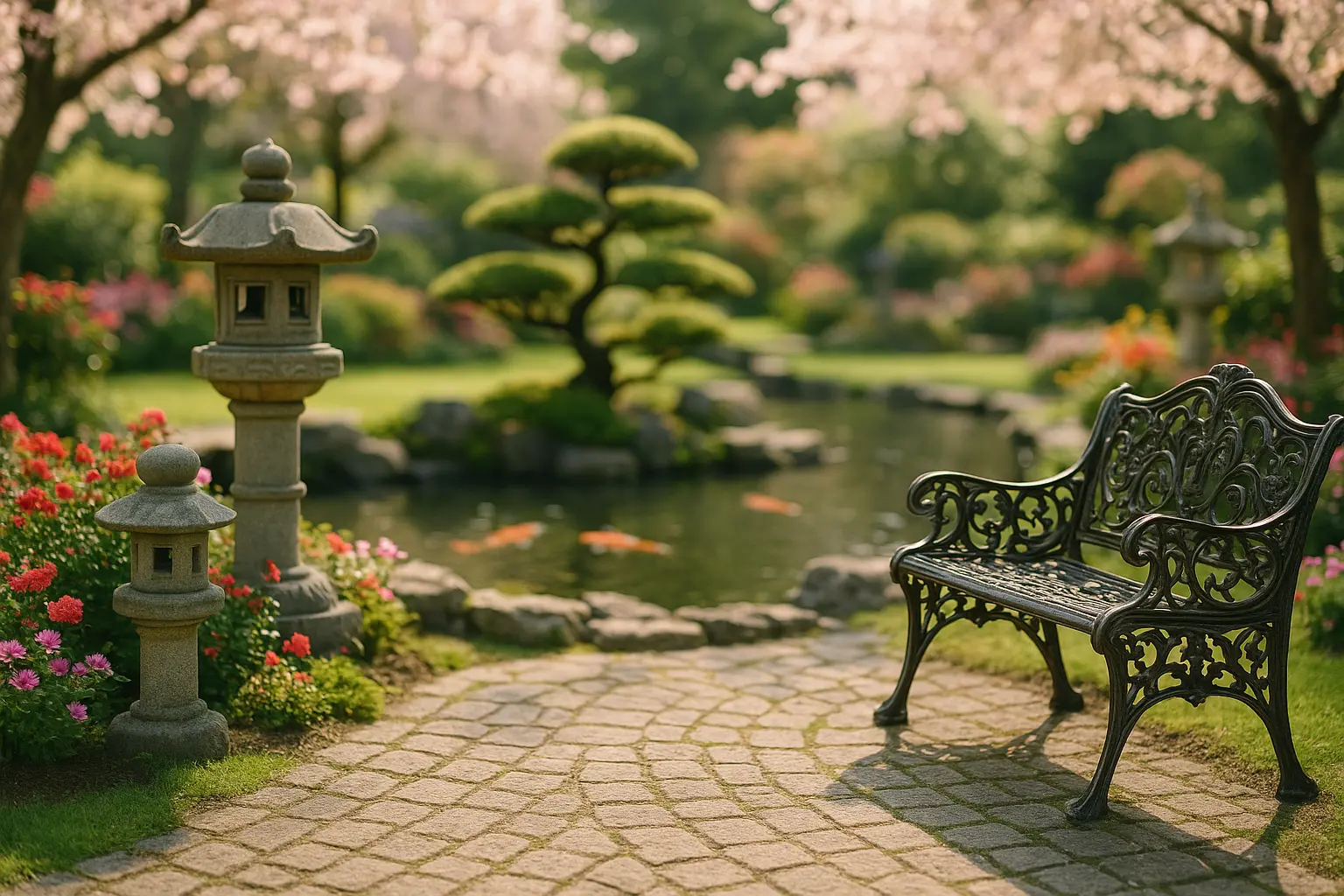
- Japanese gardens apply Zen philosophy through restraint, using stone and water instead of dense planting.
- Modern designers increasingly blend these traditions with climate-adapted practices rather than choosing just one historical style.
Where the four-quadrant garden came from
The chahar bagh layout answers a practical question first: how do you keep a garden alive in an arid climate. According to garden historians, the design split a walled plot into four sections with water channels running along the cardinal directions, meeting at a central fountain or pool. This wasn’t only ornamental. The channels distributed scarce water evenly and cooled the surrounding air through evaporation, which mattered in a region where summer heat could otherwise make an outdoor space unusable.
The religious layer came second. In the Quranic description of paradise, four rivers flow from a central source, and the chahar bagh reproduces that image almost literally. Later Mughal gardens, including those built around the Taj Mahal, kept the same quadrant structure while adding terraced levels and reflecting pools. The lesson for today’s designers isn’t to copy the geometry, it’s to notice that the layout solved a climate problem and a cultural one in the same gesture.
Why English gardens abandoned French symmetry
The English landscape garden movement of the mid-1700s was a direct reaction against the French formal style epitomized by Versailles, where André Le Nôtre imposed strict geometric order onto the land. English writers and designers, including Alexander Pope, argued that this rigid symmetry represented an outdated, authoritarian relationship with nature.
Lancelot “Capability” Brown became the figure most associated with the alternative: sweeping lawns, serpentine lakes, and clumps of native trees arranged to look as if nature had placed them there. Brown is credited with designing roughly 250 estates across England, and his style dominated garden fashion for decades. The underlying idea, that a garden should work with the existing terrain rather than override it, still influences how landscapers approach a sloped or irregular plot today.
Comparing four traditions that still shape modern gardens
Each of these traditions answers a different question about what a garden is for. Laid side by side, the contrast is easier to see than in a long paragraph.
| Tradition | Core structure | What it prioritized |
|---|---|---|
| Persian chahar bagh | Four quadrants split by water channels | Cooling, irrigation, religious symbolism |
| French formal (Versailles) | Rigid geometric symmetry, controlled sightlines | Order, political power, human control over nature |
| English landscape (Capability Brown) | Naturalistic curves, open lawns, informal tree groupings | Individualism, a picturesque reading of the land |
| Japanese Zen garden | Minimal planting, stone, raked gravel | Contemplation, restraint, symbolic miniature landscapes |
How modern designers borrow from these roots without copying them
Today’s gardens rarely commit to a single historical style from start to finish. A xeriscaped front yard in a dry climate is, whether the owner realizes it or not, applying the same water logic that shaped Persian gardens centuries ago: reduce evaporation, group plants by water need, direct runoff rather than fight it. A backyard built around a single sculptural stone and a gravel bed is borrowing directly from Japanese restraint, even if it sits in a suburban plot with no other Japanese references at all.
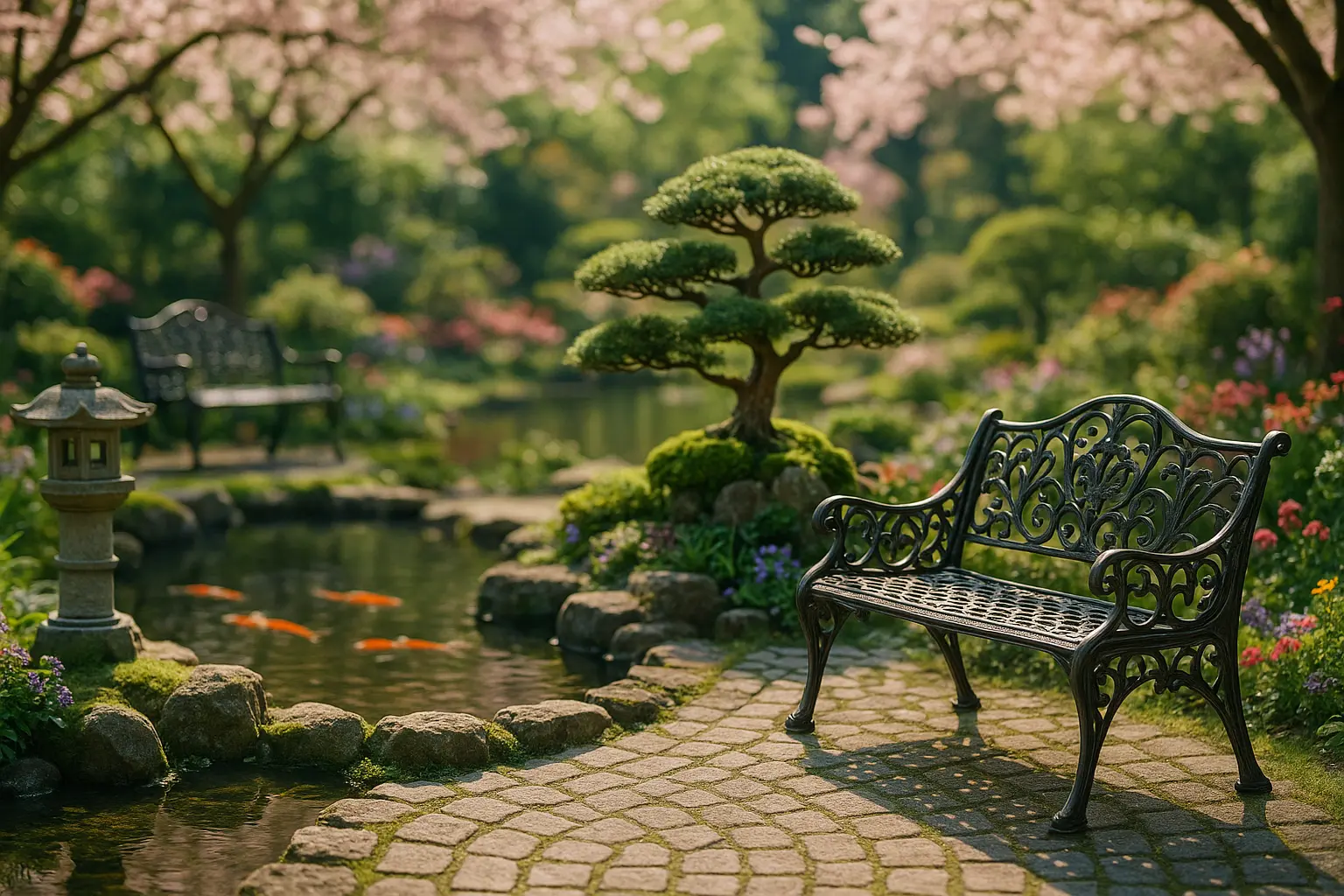
This blending is easier to justify than to execute well. A garden that references three traditions at once without a clear reason usually reads as cluttered rather than rich. The stronger approach is to pick one historical logic (water conservation, restraint, structured axes) as the backbone of the design, then let the plant palette and materials reflect the local climate and the client’s actual use of the space.
Why does the plant selection change so much between cultures?
Plant choice in historical gardens was rarely arbitrary. The lotus recurs across Asian garden traditions as a symbol of purity because it rises clean from muddy water, a metaphor gardeners deliberately built into the layout. Persian gardens favored fruit trees such as pomegranate and citrus, chosen for shade, scent, and yield in a single plant. Cottage gardens in England leaned on herbs that had a medicinal use as well as an ornamental one. A designer who understands why a plant was originally chosen can substitute a climate-appropriate equivalent without losing the symbolic intent.
What does this mean for a garden being designed right now?
It means treating history as a source of working solutions rather than a costume. A rain-scarce region can look to Persian water management. A small, contemplative courtyard can look to Japanese restraint. A large property with an irregular slope can look to what Capability Brown was actually solving: how to make difficult terrain look intentional. Cultural context, applied this way, produces a more original result than any single trend cycle, because it draws on centuries of trial and error rather than the last five years of design blogs.
Community gardens and public parks now carry a version of this same responsibility. As the balance and perspective principles that still shape modern layouts get applied to shared urban spaces, they often fold in fragments of several traditions at once, from raised beds echoing kitchen-garden practicality to gravel paths borrowed from Japanese restraint. Recognizing where each element comes from helps keep the result coherent rather than decorative clutter, and it makes it easier to see how the distinctive traits of French, English, Japanese, and Mediterranean styles can be combined without contradicting one another.
A garden built with this awareness does two things at once. It solves a present-day problem (shade, water use, noise, small footprint) and it keeps a visible thread back to a tradition that already worked through that same problem somewhere else. That’s the real value of history in garden design: not nostalgia, but a working archive of tested answers.
FAQ
Do I need to pick one historical style and stick to it?
No. Most successful modern gardens borrow a working principle from one tradition (water management, restraint, structured axes) rather than replicating an entire historical style. Mixing surface details from several traditions at once tends to look cluttered.
Is Persian-style water management relevant outside desert climates?
Yes. The underlying logic, grouping plants by water need and directing runoff to where it’s needed, applies to any garden dealing with dry spells, which now includes many temperate regions during summer.
Why do community gardens often mix several traditions?
Public spaces usually serve several purposes at once (food growing, quiet space, play, gathering), so they naturally draw on more than one historical logic rather than committing to a single aesthetic.
Published: July 29, 2026. Last updated: July 29, 2026.
Sources: Gardenvisit.com (Persian and chahar bagh garden history), Britannica (Lancelot “Capability” Brown), Electrum Magazine (Persian paradise gardens).