
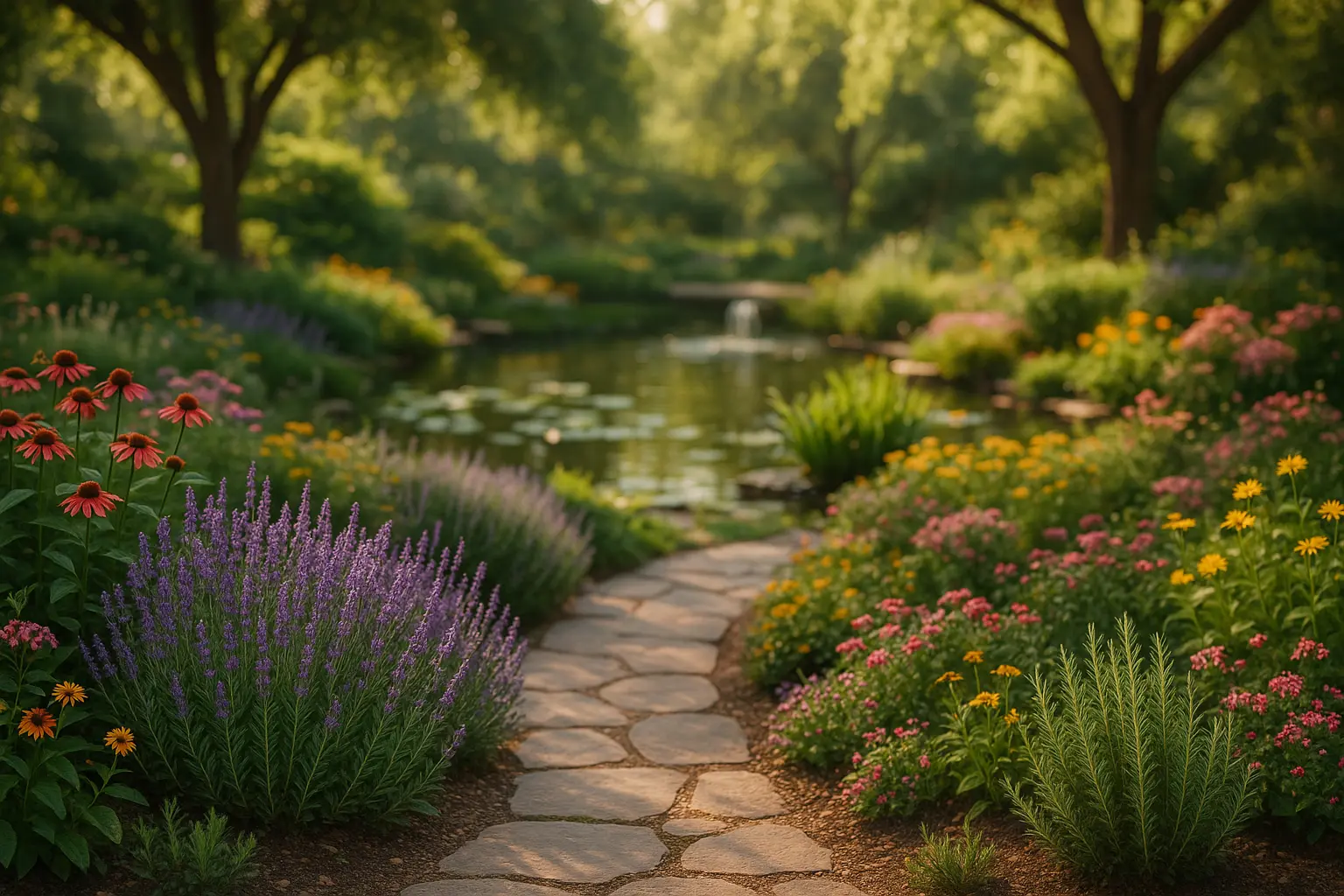
In 1984, researcher Roger Ulrich published a study in the journal Science comparing gallbladder surgery patients in a Pennsylvania hospital: twenty-three had a room with a window facing trees, twenty-three faced a brick wall. The group with the natural view left the hospital sooner, needed fewer strong painkillers, and received fewer negative notes from nursing staff. That single study helped launch what’s now a well-established field: gardens designed specifically to support healing, not just to look pleasant.
A therapeutic garden is a space intentionally designed to support physical, mental, and emotional healing, using accessible pathways, sensory plants, and calming features to engage patients, caregivers, or anyone seeking recovery and stress relief. Unlike an ordinary ornamental garden, every element, from path width to plant scent, is chosen with a specific therapeutic function in mind rather than for looks alone.
- Ulrich’s 1984 hospital study remains the foundational evidence that a view of nature measurably affects physical recovery, not just mood.
- Sensory plants (lavender, rosemary, textured foliage) engage smell and touch alongside sight for a fuller therapeutic effect.
- Community gardens deliver a distinct, socially driven form of wellbeing on top of the individual benefits of a private therapeutic space.
- Accessible pathways and quiet nooks are structural requirements of a therapeutic garden, not optional extras.
The research behind why nature settings support healing
Ulrich’s original 1984 study looked specifically at recovery after gallbladder surgery, and the difference between the two patient groups was measured in concrete outcomes: length of hospital stay, frequency of nurse-recorded complaints, and quantity of pain medication needed, not just self-reported comfort. That kind of measurable clinical result is what pushed hospitals and care facilities to start integrating garden spaces into their grounds rather than treating landscaping as unrelated to patient outcomes.
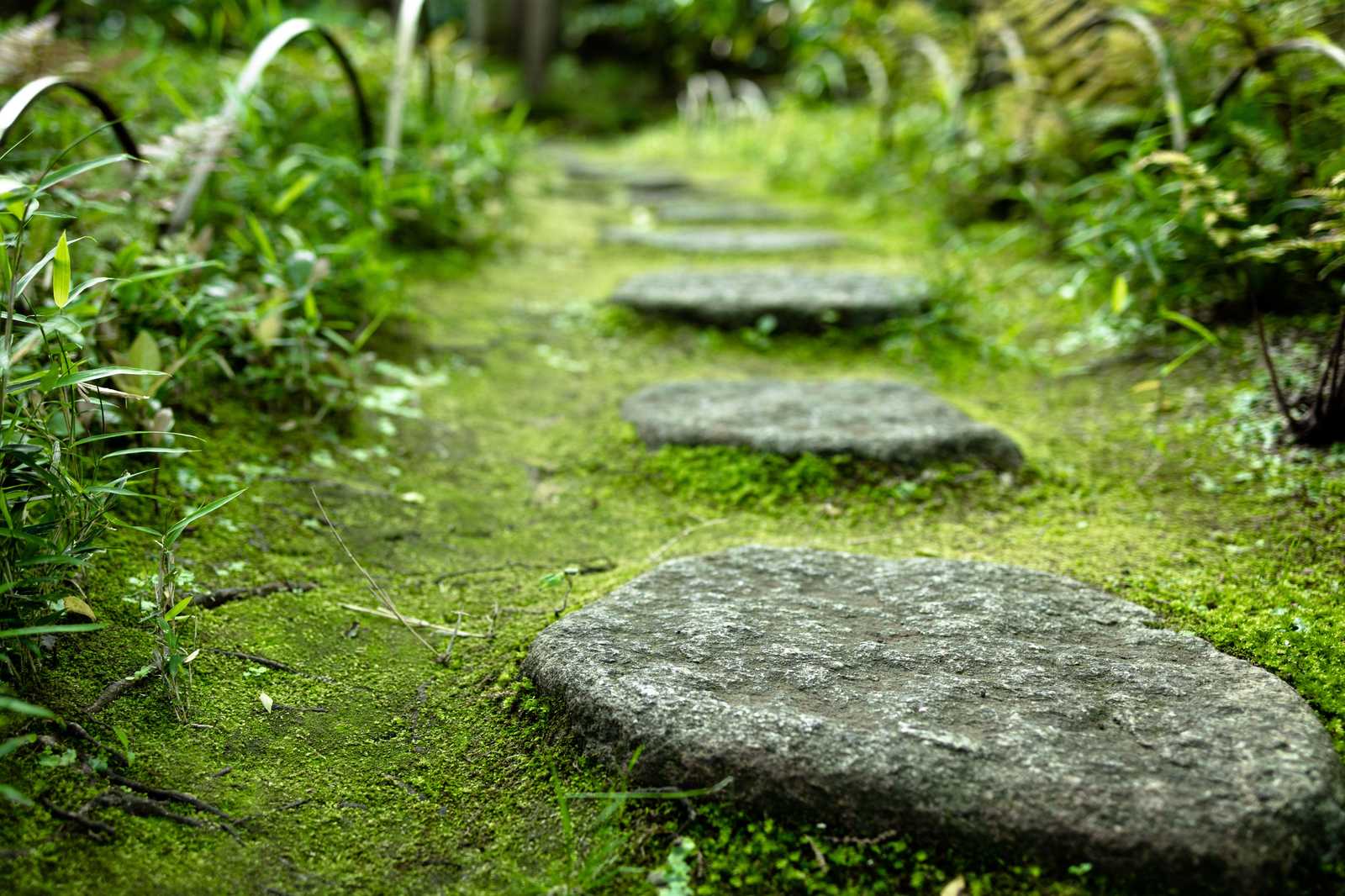
The broader concept behind this, often called biophilia, holds that humans have an innate, evolved attraction to natural environments, and that this connection has a measurable physiological effect, including reduced stress markers and lower blood pressure, when people spend time in or near green space.
How therapeutic gardens function inside healthcare settings
Inside a hospital or care facility, a therapeutic garden serves patients, families, and staff at the same time, and each group uses it differently. For patients, the garden offers a break from a clinical environment that can otherwise feel sterile for weeks at a stretch, with pathways and tactile plants that also support physical rehabilitation by encouraging safe, low-impact movement. For staff, a short break in a garden setting offers recovery from a high-stress environment where sustained attentiveness is part of the job.
Design choices in this setting are rarely arbitrary. Calming plant species such as lavender and chamomile are chosen for their documented soothing scent properties. Water features add a consistent, low auditory layer without introducing the unpredictability of wildlife sound. Quiet nooks, separated from main circulation paths, give patients and visitors a place to sit without being on display to passing foot traffic.
What community gardens add that a private space can’t
Community gardens deliver a specifically social form of therapeutic benefit that an individual backyard space generally can’t replicate on its own. Research on therapeutic community gardening has found measurable improvements in wellbeing and reduced loneliness among participants over time, particularly for people managing mental health conditions, where the shared activity of planting and tending provides both structure and social contact.
| Setting | Primary benefit | Who it serves |
|---|---|---|
| Hospital garden | Faster recovery, reduced pain medication need | Patients, families, clinical staff |
| Community garden | Reduced isolation, social connection | Local residents, particularly older adults |
| Private home garden | Daily stress reduction, mindfulness | Individual or household |
Beyond the individual wellbeing effect, community gardens have been linked to a stronger sense of local ownership and pride, which can shift how a neighborhood relates to shared green space more broadly.
What separates a therapeutic garden from ordinary horticultural therapy
It’s worth distinguishing the physical space from the practice that often happens inside it. Horticultural therapy is a structured, facilitator-led activity, planting, pruning, harvesting, guided by a trained professional working toward specific rehabilitation goals such as improved grip strength or sustained attention. A therapeutic garden is the physical setting that makes this kind of programming possible, but the garden itself also delivers passive benefit to anyone simply sitting in it, whether or not a structured session is taking place.
This distinction matters for anyone planning one of these spaces, because it means a therapeutic garden has to serve two different uses at once: a facilitated program space with room for tools, seating, and supervised group activity, and a passive retreat space for someone who just needs fifteen quiet minutes away from a hospital room or a stressful day. Designing exclusively for one use tends to shortchange the other, so the strongest therapeutic gardens usually include both a more structured, accessible activity zone and a separate, quieter corner intended purely for sitting and observing.
Designing a therapeutic space at home
A personal therapeutic garden doesn’t require hospital-scale resources to work. Choosing aromatic herbs such as sage and rosemary alongside a few reliably vibrant flowering species, marigolds or daisies, for example, gives even a small balcony space a sensory anchor. A small fountain or a simple bird bath adds a gentle auditory layer that helps mask background noise the same way it does in a larger public garden.
Lighting extends the usable hours of the space into the evening without requiring anything elaborate, and comfortable seating turns a planted corner into a place people actually sit down in rather than just walk past. None of this needs to happen all at once. A therapeutic garden built gradually, one sensory element added at a time, tends to end up better matched to how the specific household actually uses the space.
Several design principles carry over directly from work being done elsewhere in this space. Natural play areas designed along much the same sensory-first principles share the same underlying logic of engaging multiple senses rather than sight alone. On the technology side, some care facilities are now exploring early-stage bio-inspired pollination robots being trialed for delicate garden tasks, though this remains an experimental area of research rather than an established feature of therapeutic garden design today.
FAQ
What makes a garden “therapeutic” rather than just pleasant to look at?
Intentional design for a specific outcome. A therapeutic garden is planned around accessibility, sensory engagement, and calming features chosen for their documented effect on stress and recovery, rather than for visual appeal alone.
Is there real scientific evidence behind therapeutic garden design?
Yes. Roger Ulrich’s 1984 study in Science remains the most cited clinical evidence, showing measurably faster recovery and reduced pain medication use among surgical patients with a natural view compared to those without one.
Do therapeutic gardens help with mental health specifically, or just physical recovery?
Both. Research on community gardening in particular has documented improvements in wellbeing and reduced loneliness among participants, alongside the physical recovery benefits studied in hospital settings.
Can a small balcony be designed as a therapeutic space?
Yes. Scent, touch, and sound, aromatic herbs, textured foliage, a small water feature, can be layered into a compact space and still deliver much of the sensory engagement a larger therapeutic garden provides.
Are pollination robots actually used in therapeutic gardens today?
Not as an established practice. This technology remains at an experimental research stage, and any current use in care settings would be a pilot or trial rather than standard, widely available equipment.
Published: July 29, 2026. Last updated: July 29, 2026.
Sources: Roger Ulrich, “View Through a Window May Influence Recovery from Surgery,” Science, 1984; peer-reviewed research on therapeutic community gardening and wellbeing (PMC).