Ask any experienced landscaper about their least successful project, and the failure rarely traces back to plant choice or budget. It traces back to a conversation that never happened early enough, a client’s actual daily use of the space that nobody asked about until the design was already half-built. A personalized garden is not really a design problem first. It is a communication problem that happens to end in plants and paving.
Successful garden design depends on sustained collaboration between the landscaper and the client, built through clear communication from the first meeting, transparent project management, careful execution that stays open to feedback, and an honest review once the work is done. Skipping any one of these stages tends to produce a garden that looks fine in photos but does not actually fit how the client lives.
Why Early Communication Determines the Outcome
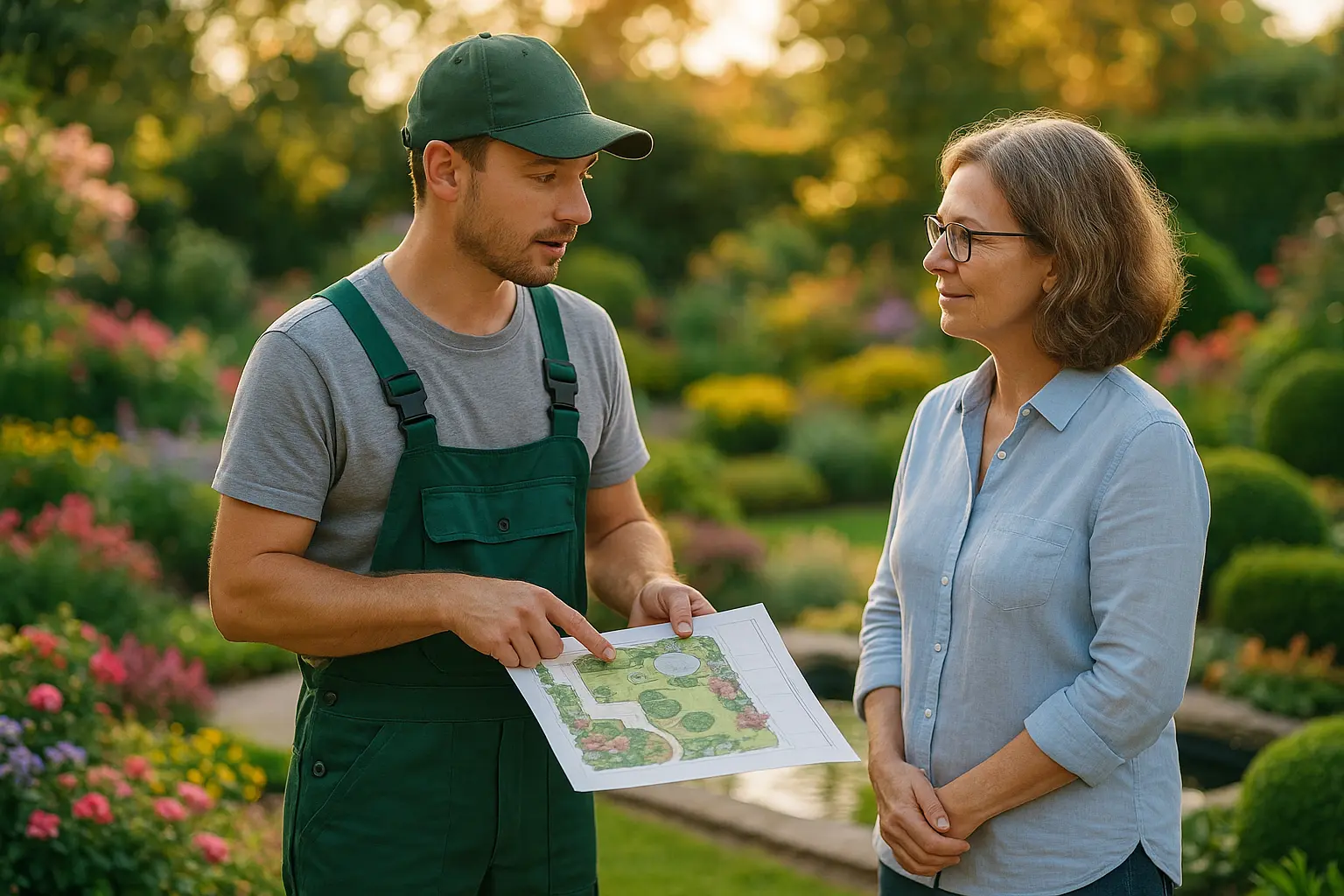
A landscape project starts long before the first shovel goes into the ground, and the quality of that early conversation shapes everything downstream. Understanding a client’s daily routines, entertaining habits, and functional needs matters more at this stage than showing them a portfolio of finished projects, because a beautiful garden that ignores how someone actually lives will disappoint regardless of its craftsmanship.

Clients contribute more to this process than they usually realize. Inspiration boards, photographs of admired landscapes, and honest answers to direct questions about likes and dislikes give a landscaper far more useful material than a vague brief ever could. The most productive version of this exchange treats the client as a genuine collaborator rather than someone simply approving decisions made on their behalf.
Turning Conversation Into a Workable Project Plan
Once the vision is understood, it needs a structure to survive contact with reality. A clear project roadmap, covering timelines, budget, and resource allocation, gives both sides a shared reference point rather than a set of assumptions that quietly diverge over the following weeks. Transparency at this stage, particularly around cost and schedule, builds the kind of trust that absorbs the inevitable small surprises every real project encounters.
This planning role extends beyond the client relationship itself. A landscaper coordinating a nontrivial project is usually also managing suppliers, occasionally an architect, and sometimes subcontractors for specialized work, and keeping that wider group aligned with the client’s original vision is where genuine project leadership shows its value. Flexibility matters here too, since client priorities and site conditions both tend to shift once work is underway.
Visualizing the Design Before Anything Is Built
Modern landscape design has an advantage earlier generations of collaboration did not have: the ability to show a client a realistic model of the finished space before any construction begins. 3D visualization tools let a client walk through a proposed layout, adjust plant placement or hardscaping on screen, and catch a mismatch between expectation and design long before it becomes an expensive change order mid-project.
This kind of visualization does not replace the human conversation described above, but it sharpens it considerably. A client who struggles to picture a design from a flat sketch often understands it immediately once they can see it rendered in three dimensions, which shortens the back-and-forth revisions that otherwise eat into a project’s timeline.
Execution: Where Craftsmanship Meets Ongoing Feedback
The build phase is where a design either holds up or reveals gaps nobody caught earlier. Careful plant selection and precise hardscape placement are the visible signs of craftsmanship, but the less visible discipline is staying genuinely open to client feedback as the work progresses, rather than treating the approved plan as untouchable once construction starts.
Regular check-ins during execution, even brief ones, let a landscaper catch a client’s hesitation about a color or a layout choice while it is still cheap to adjust. Staying adaptable to unforeseen site conditions, whether that is unexpected soil composition or a utility line nobody flagged, is part of the same skill: functional design responding intelligently to reality rather than defending a plan for its own sake.
Evaluating the Result and Learning From It
A finished project deserves a genuine debrief, not just a final invoice. Soliciting direct client feedback on both the process and the finished space reveals things a landscaper’s own judgment simply cannot: how the family actually uses the new dining area three weeks later, whether a planting bed already needs adjustment, whether the whole experience felt collaborative or merely transactional.
Reviewing outcomes internally with a team matters just as much, turning one project’s lessons into the next project’s improvements rather than repeating the same avoidable friction indefinitely.
| Project stage | Client’s role | Landscaper’s role |
|---|---|---|
| Initial conversation | Share vision, habits, and preferences | Listen, ask direct questions, propose options |
| Planning and visualization | Review and refine the 3D model | Build the roadmap, timeline, and budget |
| Execution | Give timely feedback during the build | Adapt to site conditions and feedback |
| Review | Share honest feedback on outcome | Document lessons for future projects |
A garden that looks perfect in a photograph but gets used twice a year has failed its client, regardless of how well the hardscaping was built.
Much of what makes this collaboration concrete rather than abstract now runs through 3D landscape design software used to visualize projects before construction begins. And since a garden rarely succeeds in isolation from the house it surrounds, this collaborative process also depends heavily on integrating the architectural style of the house into the garden design from the earliest conversations onward.
Frequently Asked Questions
How early should a client be involved in the design process?
From the very first conversation. Involving a client only after the design is largely finished tends to produce costly revisions and a final result that does not match how they actually intend to use the space.
What should a client bring to an initial meeting with a landscaper?
Photographs of admired gardens, a clear sense of budget, and honest notes on how the family actually uses outdoor space day to day are more useful than a fully formed design idea.
Does 3D visualization actually reduce project delays?
In most cases, yes, since it catches misunderstandings about scale, layout, or plant placement before construction begins, when changes are far cheaper and faster to make than mid-build.
What is the biggest sign of a well-collaborated landscape project?
A client who feels genuinely heard throughout the process, evidenced by a final design that reflects their stated needs rather than a landscaper’s default template applied to a new address.
Should feedback continue after the project is finished?
Yes. A follow-up conversation weeks or months after completion often reveals practical issues, such as an underused corner or a maintenance surprise, that neither party could have anticipated during planning.
Collaboration is not a soft add-on to good landscape design. It is the mechanism that actually produces it, and the gardens that get used, loved, and maintained for years are almost always the ones where the client had a genuine voice from the very first sketch.