After more than a decade of pared-back planting schemes and restrained color palettes, garden design surveys heading into 2026 point in the opposite direction. Recent homeowner research from outdoor living and garden design outlets shows a clear swing toward denser, more layered, more colorful planting, with commentators describing the current mood as maximalist gardens making a genuine comeback after years of minimalist restraint. The pendulum, it turns out, never actually stops.
Garden design has moved back and forth between minimalism’s restraint and maximalism’s abundance for decades, and the current trend favors dense, layered, personality-driven planting over sparse, uniform layouts. Neither style is objectively superior; the right choice depends on maintenance capacity, climate, and how a client actually wants to use the space.
What Minimalist Garden Design Actually Prioritizes
Minimalism in garden design emerged from a broader mid-20th-century design reaction against ornamentation and clutter, and its core principle is subtraction rather than addition. Neutral color palettes, sparse plant selection, and generous open space define the look, with every remaining element chosen deliberately rather than accumulated over time. The goal is a garden that reads as calm and uncluttered at a glance, offering visual rest rather than visual stimulation.
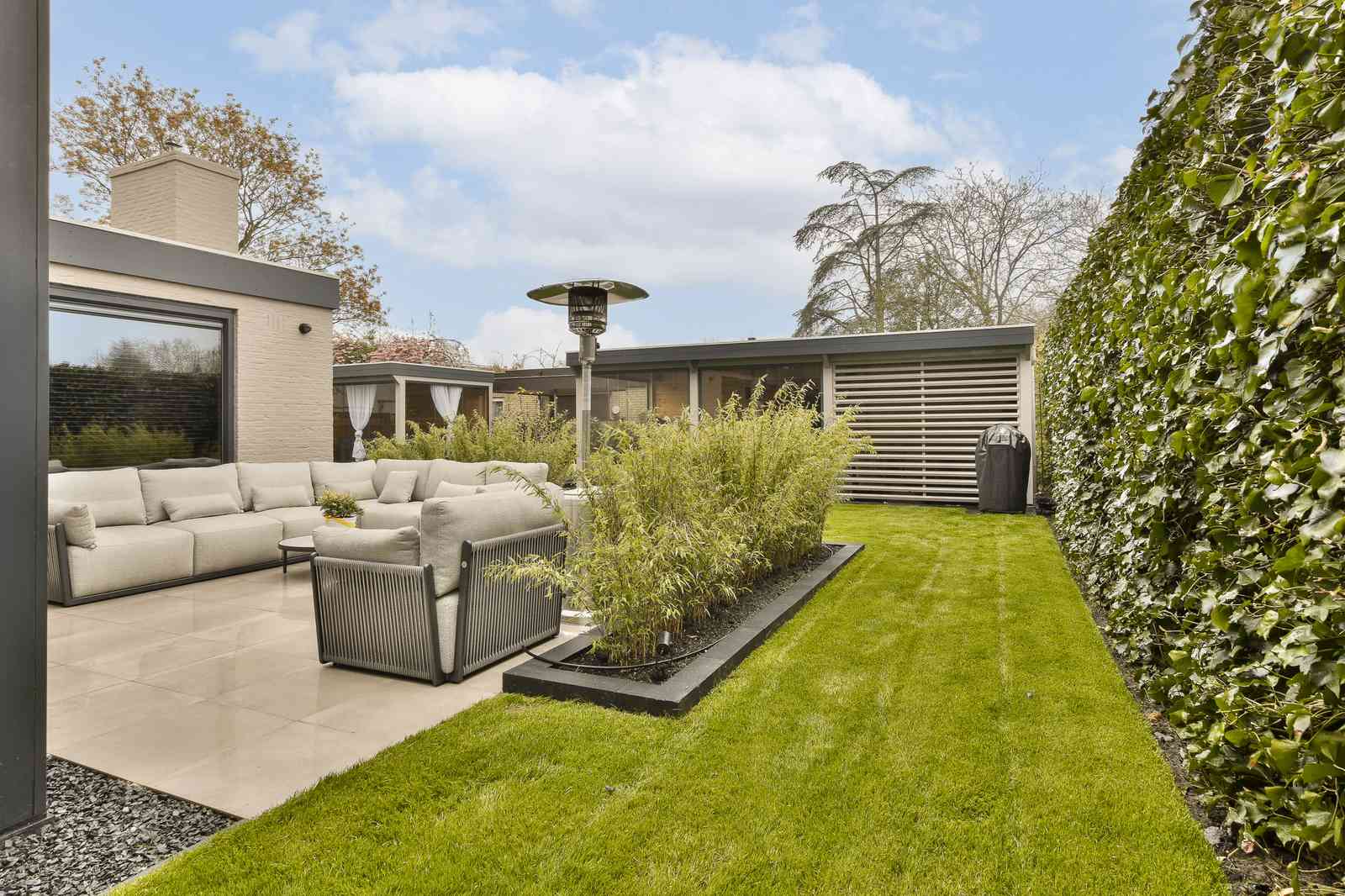
This restraint is harder to execute well than it looks. With fewer plants and materials carrying the entire design, every choice becomes more visible, and a single mismatched element stands out far more starkly than it would in a densely planted bed where it could simply blend in. Minimalist gardens also tend to demand precise, consistent maintenance, since sparse planting leaves nowhere for an unhealthy plant or a weed patch to hide.
Why Maximalism Is Reclaiming Ground
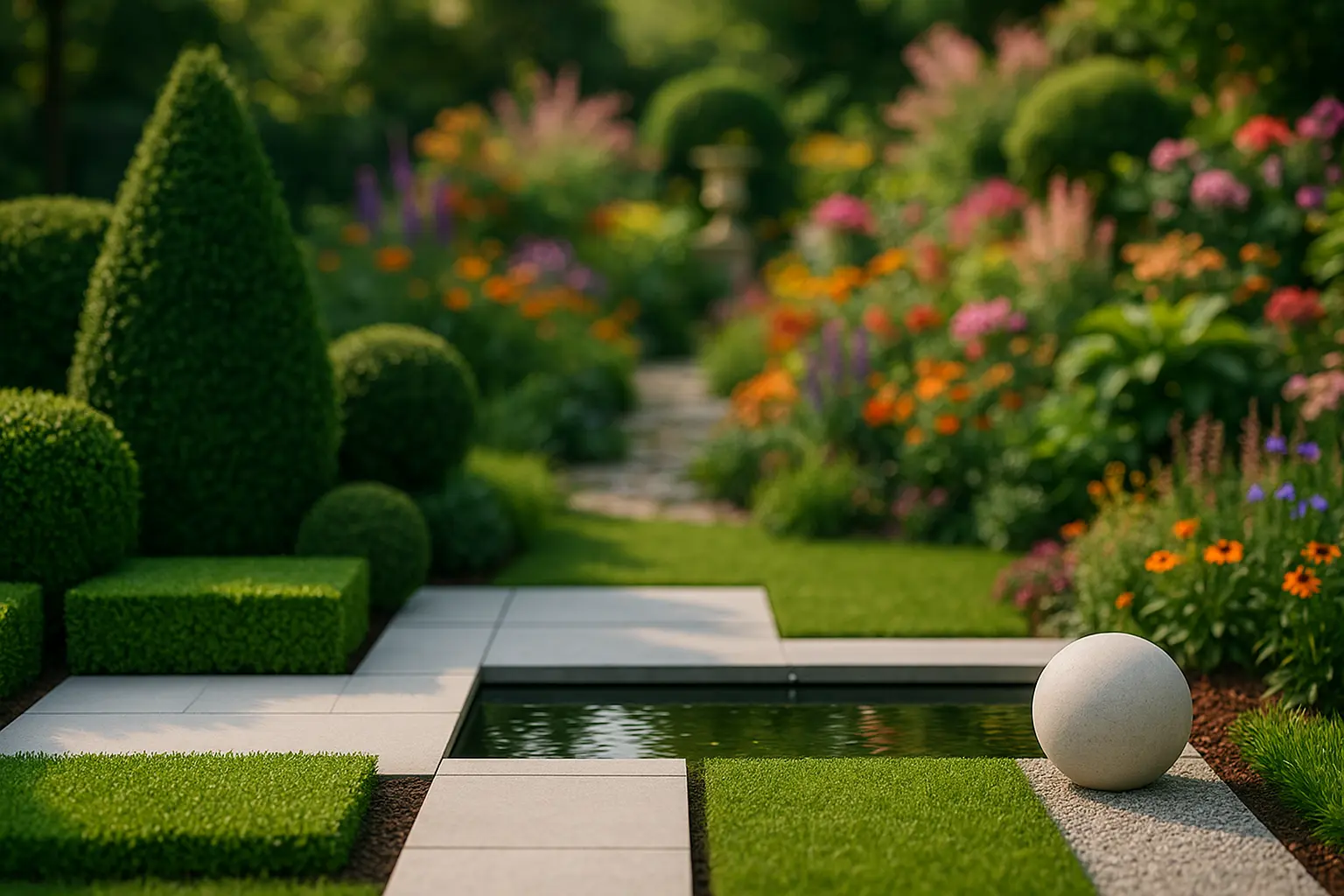
Maximalist garden design takes the opposite approach entirely, embracing abundance, bold color combinations, and a deliberate layering of plant heights and textures. Recent trend reporting describes gardens that weave together plant categories not traditionally grouped, mixing natives and pollinator-friendly species with edibles and even succulents in the same bed. The result favors personality and surprise over restraint, with borders that spill, drape, and climb rather than staying within a tidy line.
Homeowner surveys covering the current season suggest this is not a superficial aesthetic swing. Research from outdoor living and horticultural sources describes an underlying theme of gardens that are ecologically purposeful and personally meaningful, not just visually loud, with a large majority of American homeowners reportedly planning some form of backyard upgrade this year. Maximalism, in that context, reads less like decoration and more like a garden that is trying to do several jobs at once: support pollinators, feed a household, and still look good doing it.
The Hybrid Approach Most Real Gardens End Up Using
Few actual gardens sit purely at one end of this spectrum. A hybrid layout, using minimalist structure and hardscaping as the bones of a design while letting maximalist planting fill those bones with color and texture, tends to age better than either extreme applied without compromise. Clean paths and a restrained material palette provide the calm, navigable structure a garden needs, while the planting itself can be as layered and abundant as the client wants.
This flexibility matters practically as much as aesthetically. A garden built around this hybrid logic can lean more minimalist in a low-maintenance year and fill in toward maximalism as a client’s confidence and time for gardening grows, without requiring a full redesign either way.
| Aspect | Minimalist approach | Maximalist approach |
|---|---|---|
| Plant density | Low, deliberately sparse | High, layered and overlapping |
| Color palette | Neutral, restrained | Bold, varied |
| Maintenance visibility | Any issue is highly visible | Small issues blend into the density |
| Best fit | Small, formal, low-upkeep spaces | Larger gardens, pollinator and edible focus |
Neither minimalism nor maximalism is a finish line. Both are tools, and the best gardens usually borrow a little from each.
The current maximalist mood connects closely with using color and texture to create varied atmospheres in the garden, since much of what defines this trend comes down to deliberate color layering rather than plant selection alone. It also overlaps with the growing interest in integrating edible plants into the overall garden design, given how often current maximalist planting mixes ornamentals with genuinely productive species.
Frequently Asked Questions
Is minimalist garden design going out of style?
Not entirely, but current trend research shows a clear swing toward denser, more layered maximalist planting after years of minimalist dominance. Minimalist structure still works well for small or low-maintenance spaces.
Does a maximalist garden require significantly more maintenance?
Generally yes, since more plant species and denser planting mean more varied care needs. However, a well-planned maximalist garden with resilient, complementary species can actually require less precise upkeep than a sparse minimalist design where every flaw is visible.
Can a small garden pull off a maximalist look?
Yes, layered planting in containers and small beds can achieve a maximalist feel in a limited footprint, though careful plant selection matters more in tight spaces to avoid overcrowding and competition for light.
What is the easiest way to test a hybrid minimalist-maximalist approach?
Start with a clean, restrained hardscape layout, such as simple paths and a limited material palette, then allow the planting within that structure to be as abundant and varied as desired.
Why are maximalist gardens often described as more ecologically purposeful?
Because the current trend favors mixing pollinator-friendly natives with edibles and diverse ornamentals rather than a uniform, sparse plant selection, which tends to support a wider range of insects and other wildlife.
Garden trends will keep swinging, as they always have, but the underlying question stays the same for anyone designing a real space: does this planting choice serve the people and the wildlife using the garden, or does it just chase whatever survey happened to be published this year.