
Two numbers, published within months of each other in 2025, tell almost opposite stories about automation in landscaping. One survey found that 83% of landscaping professionals had not adopted AI-driven tools in their business. Another tracking study found cloud-based software penetration among landscaping companies had climbed from 54% in 2022 to nearly 73% in 2025. Both are true at once, and understanding why is the actual story behind every “successful transition to automation” case study worth reading.
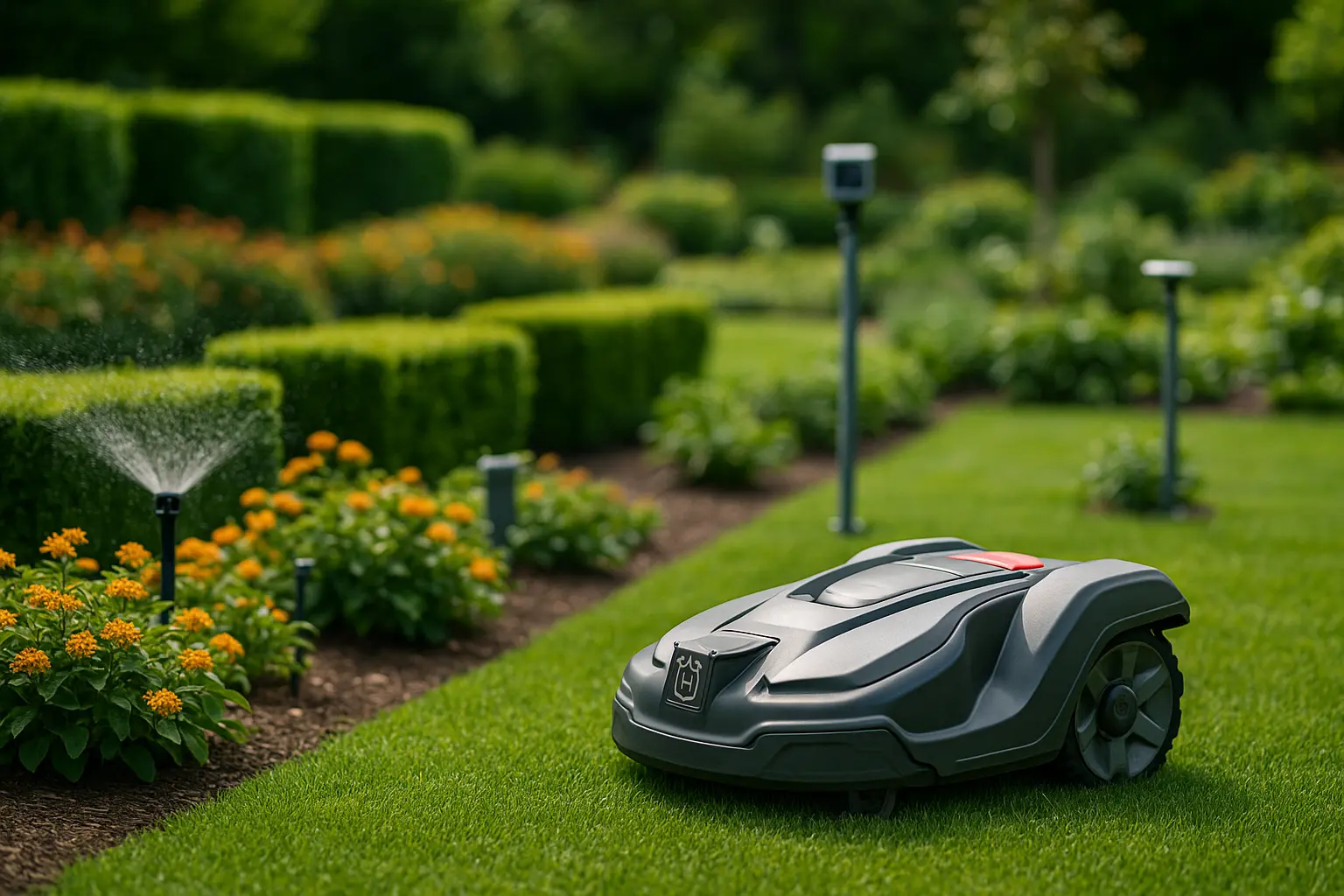
The landscaping companies that have successfully automated did not adopt every available technology at once. They typically started with one operational bottleneck, scheduling, billing, or inventory, proved the return on a limited rollout, then expanded into equipment automation like robotic mowers only once the software foundation was stable. Companies that reversed that order, buying automated machinery before fixing basic operational software, report the roughest transitions.
Key patterns from this case study:
- Adoption of full automation remains a minority position, not an industry norm, despite the visibility of a few high-profile success stories
- Software-first adopters (scheduling, billing, routing) report the smoothest and fastest returns
- Fewer than 20% of companies with under 20 employees reach an advanced automation maturity stage
- Staff retraining, not the equipment itself, is the recurring point of failure
The adoption gap behind the headline case studies
The 2025 Aspire Landscape Industry Report, based on more than 1,000 landscape business owners and managers nationwide, found that 83% of respondents had not adopted AI tools in their operations. That figure should temper how any single automation success story gets read: the businesses profiled in glowing case studies remain the exception, not the emerging default, in an industry where 51% of companies still cite staffing as a major operational risk and 80% report difficulty finding qualified workers.

A separate 2025 Green Industry Benchmarking Study, from Lawn & Landscape Magazine, found that fewer than 20% of companies with under 20 employees operate at what it calls Stage 3 automation maturity. Put together, these figures describe an industry with a long tail of businesses still running on spreadsheets and phone calls, and a smaller group of companies that have genuinely restructured their operations around software and machinery.
What motivated the first move toward automation
The companies that eventually automated rarely started from a strategic five-year plan. Most described a specific, immediate pressure: a scheduling mistake that cost a contract, a season where nobody could find enough reliable crew members, or a billing error that damaged trust with a long-standing client. Automation, in these accounts, was less a bold innovation bet and more a direct response to a problem that had already become expensive to ignore. That distinction matters for how a business should evaluate its own readiness: the question worth asking is not “is automation trendy” but “which specific recurring failure is costing us the most right now.”
What the companies that succeeded actually did first
| Transition stage | Typical first move | Reported outcome |
|---|---|---|
| Stage 1 to 2 | Cloud-based scheduling and billing software | Reduced manual reporting time, fewer billing errors |
| Stage 2 to 3 | Route optimization and real-time job tracking | Fuel cost reductions on multi-crew routes |
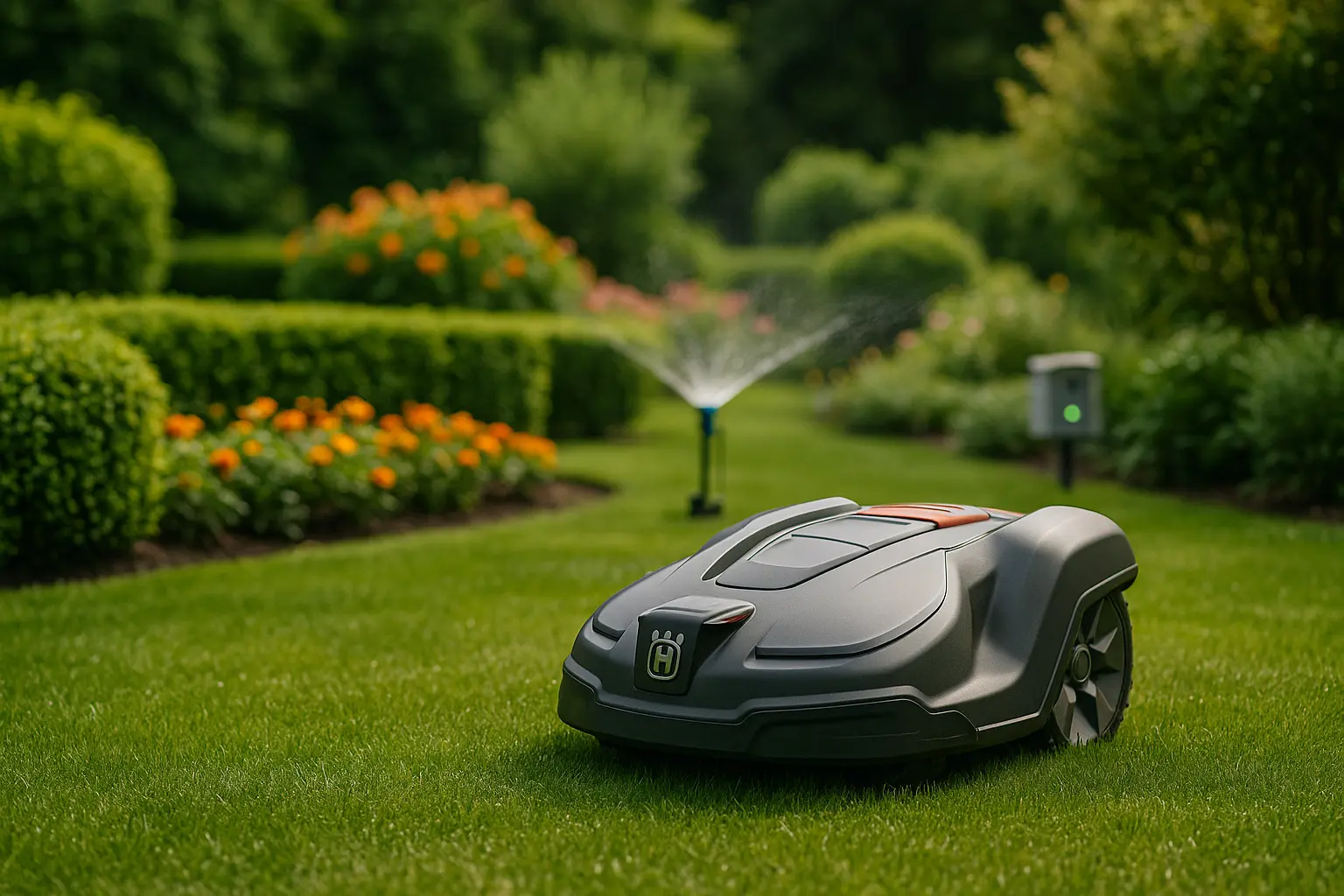
| Stage 3 onward | Robotic mowers and automated irrigation on large sites | Labor hours reallocated to higher-margin design and hardscaping work |
Where the efficiency gains actually showed up
The clearest reported gains came from unglamorous, back-office automation rather than headline-grabbing robots. Companies that automated scheduling, quoting, and client communication reported meaningful revenue increases within their first season of implementation. Route optimization software delivered measurable fuel savings for multi-crew operations running several routes daily. None of this required a single robotic mower purchase, which is worth stressing given how much of the public conversation around landscaping automation focuses on hardware rather than the software foundation underneath it.
Once that foundation was in place, the companies that added equipment automation, robotic mowers on large contiguous sites in particular, reported the fastest payback on that hardware, because the scheduling and tracking systems already in place made it easy to measure the actual labor hours the equipment freed up.
Where transitions went wrong
The recurring failure pattern was not technical. It was buying capable equipment or software and skipping staff training, then blaming the technology when adoption stalled. A crew that does not trust or understand a new routing system will quietly revert to the old phone-call method within weeks, no matter how good the software is on paper. The businesses that reported the smoothest transitions consistently budgeted real time, not just money, for training and for a gradual rollout rather than an overnight company-wide switch.
A second common issue was integration: companies adopting multiple point solutions from different vendors, one for scheduling, another for inventory, a third for equipment tracking, often ended up with the same fragmented, manual reconciliation work they were trying to eliminate in the first place, just spread across more screens.
What the revenue side looked like after the transition
Landscaping businesses with 5 to 50 employees that automated scheduling, quoting, and client communication reported revenue increases in the 20% to 35% range within their first season, according to industry tracking of software-driven landscaping companies. Revenue per full-time employee is another useful marker of where a company sits on this curve: the industry average sits near 78,000 dollars per employee, while top-quartile operators using integrated software exceed 110,000 dollars per employee, a gap driven mainly by how much manual administrative work software removes rather than by differences in labor rates.
Job-cost reporting produced one of the more immediately actionable results. Companies that implemented it caught unprofitable routes or contracts within the first 30 days in the majority of reported cases, information that previously stayed hidden until a season-end review, if it surfaced at all. That single change, catching a money-losing route in week four instead of month eleven, illustrates why software-first sequencing kept coming up as the defining trait of a successful transition rather than any specific brand of equipment. It also explains why so many of these transitions started in the back office rather than on the truck: the office is where the losses were actually visible first, once someone finally looked.
This pattern of automating operations before large-scale training ties directly into large estates already running mobile robots for green waste collection, since those deployments typically followed the same software-first sequence described above. It also reinforces why the mower fleets these companies eventually adopted tended to arrive only after the operational basics were already running smoothly.
The lesson from these transitions is less about any single piece of technology and more about sequencing. Companies that fixed their operational visibility first, before investing in automated machinery, consistently reported smoother rollouts and faster returns than those that reversed the order. For a business still weighing where to start, the data points clearly toward the unglamorous option: scheduling and inventory software, not the robotic mower, first.
Sources: Aspire, 2025 Landscape Industry Report, based on surveys of over 1,000 landscape business owners and managers; Lawn & Landscape Magazine, 2025 Green Industry Benchmarking Study; industry tracking of cloud software adoption among landscaping companies, 2022-2025.