
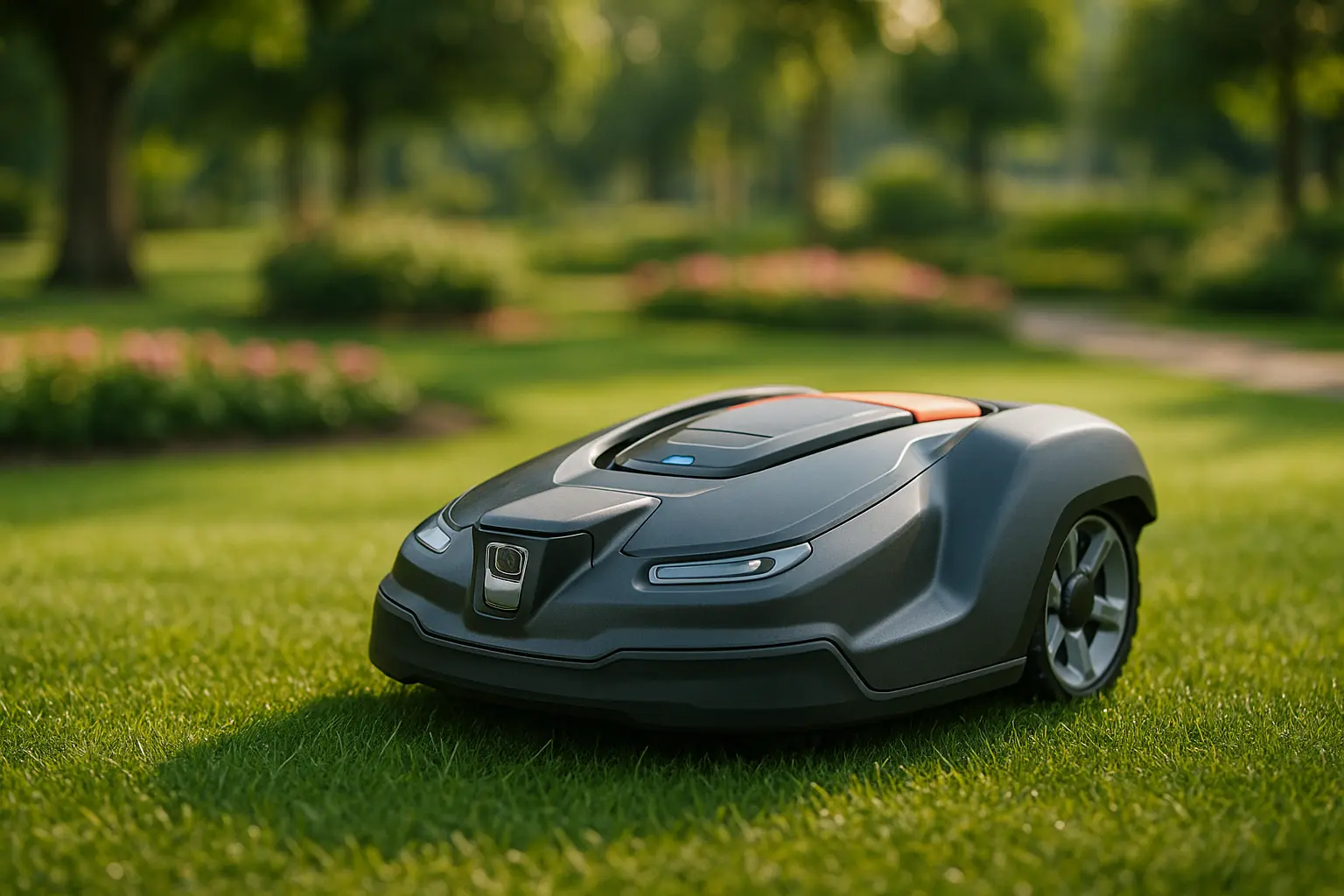
What actually happens if a robotic mower is running in a public park and a child steps in front of it? The honest answer is that a real, tested safety standard already covers exactly this scenario for residential and light commercial machines, even though most people who see one of these robots crossing a lawn have no idea a specific regulation dictates how it must detect and respond to that child.
Autonomous machines used in gardens and public spaces are governed by a mix of product safety standards (covering obstacle detection, emergency stops, and noise limits) and, for shared public areas, a much thinner layer of local rules on where and when they can legally operate. The product-safety side is comparatively mature; the public-space operating-rules side is still being worked out city by city.
The short version:
- Robotic mowers already comply with a dedicated international safety standard, IEC 60335-2-107
- Broader robot safety draws on ISO 13849 (machinery safety) and ISO 12100 (risk assessment)
- Municipal rules on operating hours, zones, and public interaction remain far less standardized
- Data privacy from onboard sensors and cameras is an emerging, largely unresolved regulatory gap
The product safety standards that already exist
| Standard | Covers | Applies to |
|---|---|---|
| IEC 60335-2-107 / ANSI-OPEI equivalent | Robotic battery-powered electric lawnmowers specifically | Residential and light commercial mowers |
| ISO 13849 | Safety-related parts of machinery control systems | Broader autonomous machinery, including robotic mowers |
| ISO 12100 | General risk assessment and reduction principles | Any machine sold into these markets |
| ISO 13482 | Robots that work autonomously among humans | Personal care and assistive robots, a reference point for garden robots |
How a machine actually detects and avoids a person
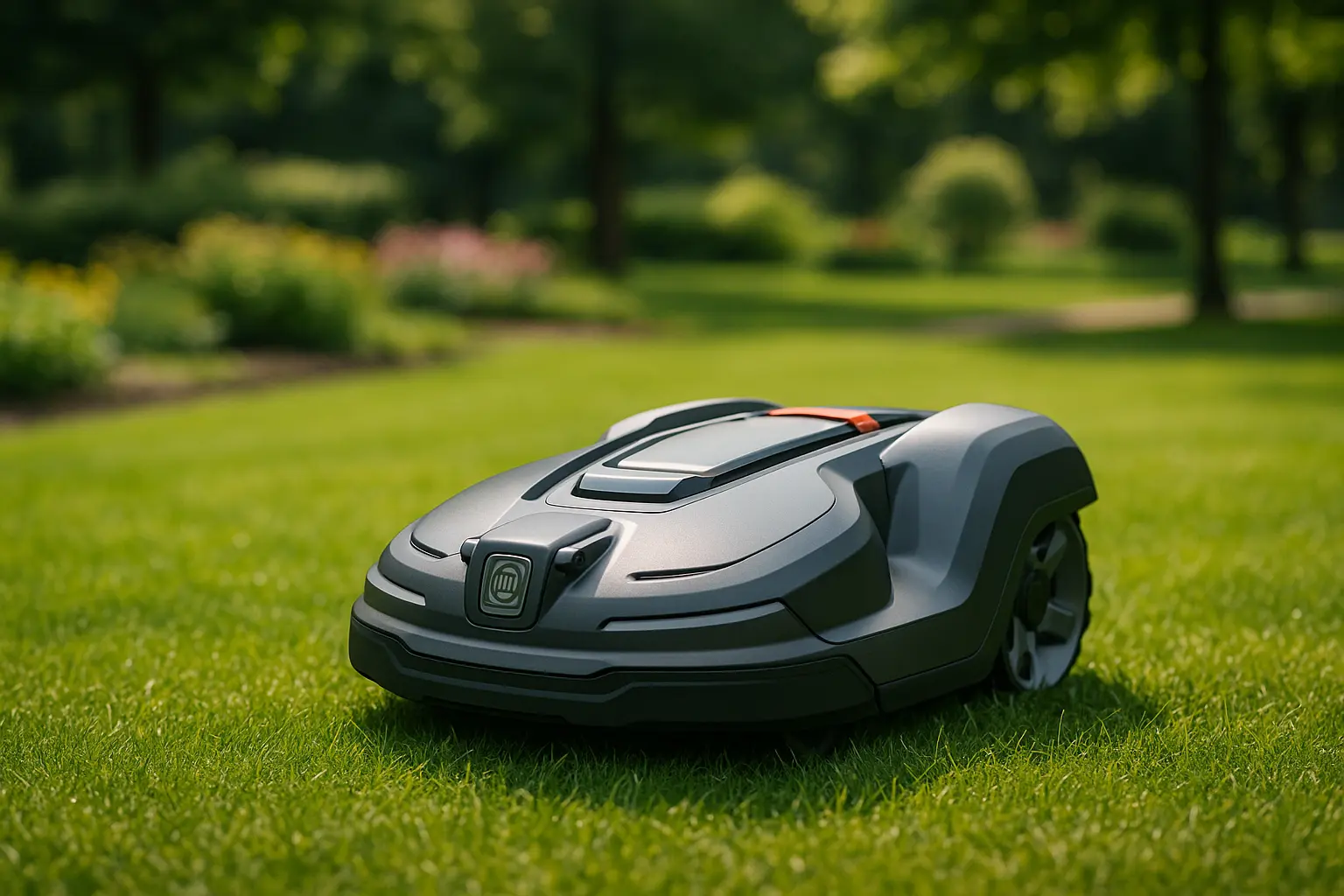
Certified robotic mowers use radar or ultrasonic sensors that build what manufacturers call a safety bubble around the machine, an active detection zone that triggers an immediate stop when an obstacle, human or animal, enters it. Testing to IEC 60335-2-107 and UL’s equivalent certification for self-navigating mowers requires manufacturers to demonstrate this stop response under controlled test conditions before a unit can be sold as compliant. This is the part of the regulatory picture that is genuinely mature: a certified residential robotic mower sold today has already passed structured, repeatable safety testing.
What regulation still does not cover well
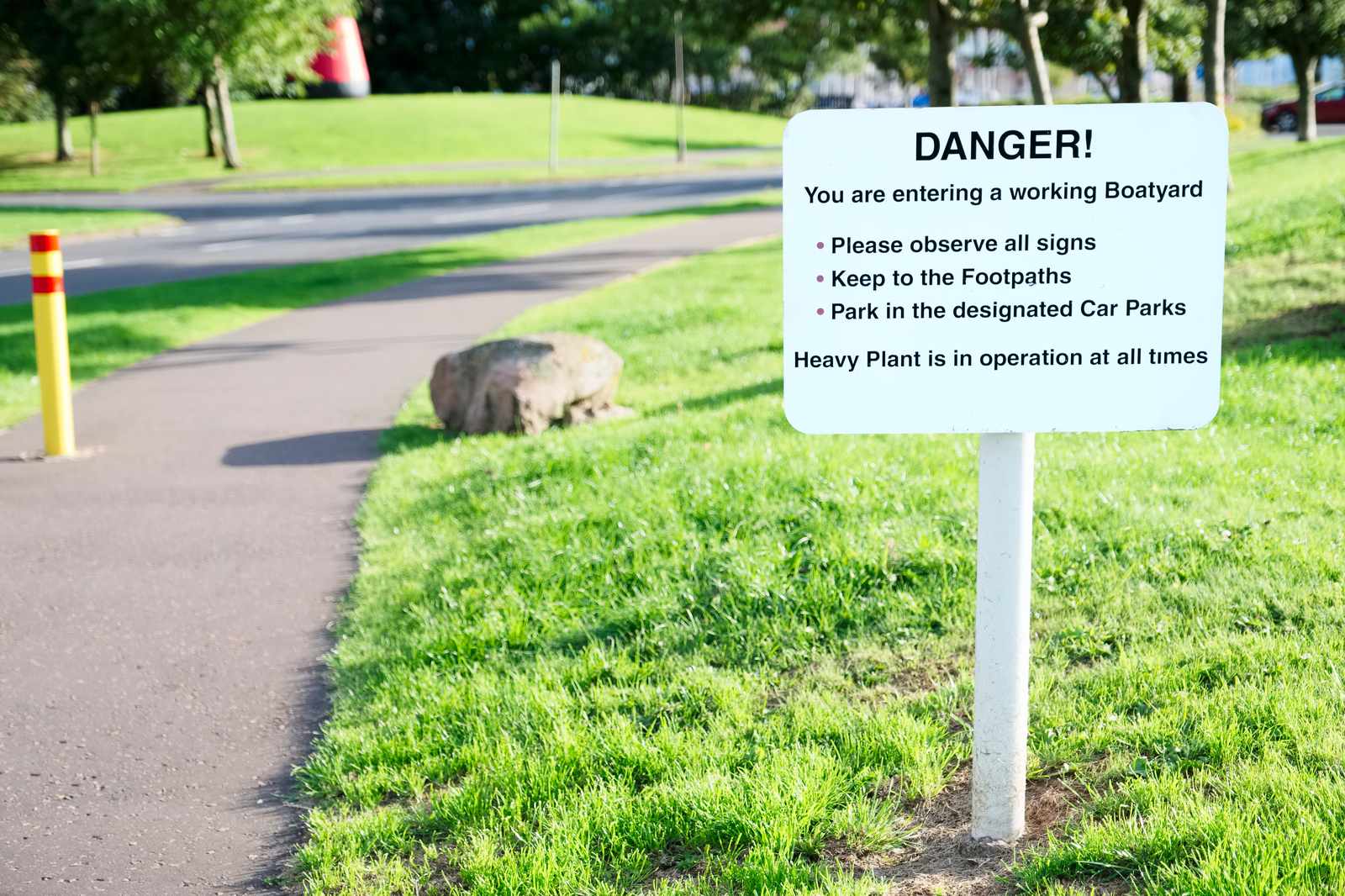
Product safety certification tells a manufacturer how to build a safe machine. It does not tell a city or a landscaping contractor when and where that machine is legally allowed to operate unsupervised in a shared public space, and that second layer of rules is far less standardized. Operating hours, designated zones, signage requirements, and rules around unsupervised operation near playgrounds or transit stops vary significantly between municipalities, and in many jurisdictions clear rules simply do not exist yet. A landscaping company deploying autonomous equipment on a municipal contract needs to check local ordinances directly rather than assume a product safety certification alone covers legal operation in that specific public space.
The data privacy question regulators have not settled
Autonomous machines operating in public spaces increasingly carry cameras and sensors that collect ambient data as they work, whether for navigation, mapping, or performance logging. Who can access that data, how long it is stored, and what happens if a camera incidentally captures identifiable people passing by remain open questions in most jurisdictions. This is a genuinely unresolved regulatory gap, not a solved problem with a standard reference number attached to it, and any business or municipality deploying these machines at scale should treat data handling as a real compliance risk to manage proactively rather than an afterthought.
This regulatory patchwork sits alongside the wider ethical debate over automating landscaping jobs, since public acceptance of these machines depends on more than certification paperwork. Municipal deployments already running at scale, such as public green space maintenance programs using fleets of automated equipment, are often where these local operating rules get tested first in practice.
FAQ
Are robotic mowers legally required to stop for pedestrians?
Certified units must demonstrate obstacle detection and an automatic stop response as part of product safety certification, though enforcement of this behavior in specific public spaces depends on local rules as well.
Do noise regulations apply to autonomous garden machines?
Yes, manufacturers must keep noise output within specified decibel limits, particularly relevant near residential areas, and this is checked during product certification.
Who is responsible if an autonomous machine malfunctions in a public space?
The operator is generally expected to immediately trigger the emergency stop, remove the machine from public access, and report the incident, with liability details depending on the specific contract and local regulatory framework.
Is public-space regulation for these machines fully settled in 2025?
No. Product safety standards are relatively mature, but rules governing where, when, and how these machines can operate unsupervised in shared public spaces are still being developed on a city-by-city basis.
Sources: IEC 60335-2-107 and ANSI/OPEI robotic lawn mower safety standard; ISO 13849, ISO 12100, and ISO 13482 machinery and personal-care robot safety standards; UL Solutions robotic lawn mower certification documentation.