
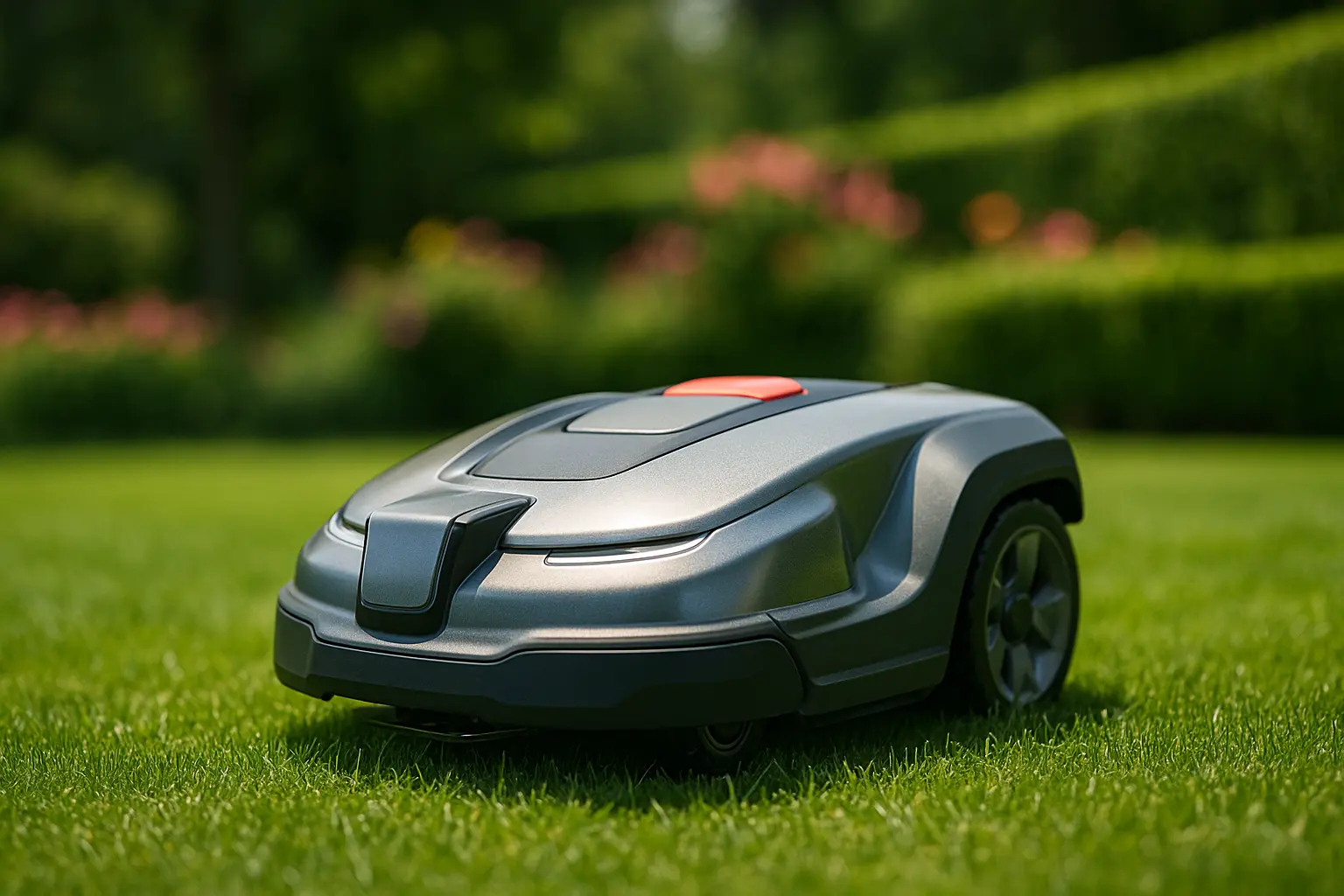
The image of a single robot gliding quietly across a suburban lawn undersells what is actually happening at the commercial end of this market. On larger properties, it is increasingly fleets of these machines, coordinated across acres of turf and monitored by one supervisor with a tablet rather than a crew pushing mowers row by row. That shift in scale is what makes the rise of autonomous robotic lawnmowers worth examining closely, beyond the novelty of the technology itself.
Autonomous robotic lawnmowers use sensors, GPS positioning, and pre-programmed or self-learning navigation to cut grass without a human operator physically present, and the global market for them was valued at multiple billions of dollars in 2025, with essentially every major analyst projecting continued double-digit growth through the early 2030s. Adoption is being driven as much by the landscaping industry’s persistent labor shortage as by the technology’s own maturity.
In brief:
- Market analysts estimate the robotic lawn mower market at somewhere between $2.4 billion and $10.5 billion in 2025, depending on scope and methodology, with strong double-digit growth forecast into the next decade.
- Obstacle detection and boundary systems have matured to the point of reliable use on flat to moderately sloped terrain.
- The technology has not eliminated professional gardening jobs, it has shifted many of them toward supervision, maintenance, and specialized services.
- Labor availability is cited by market analysts as a direct driver of business adoption, alongside battery and navigation improvements.
How much precision these machines actually deliver
Modern units combine boundary detection, GPS mapping, and in some premium models, camera-based obstacle recognition to cover a lawn methodically rather than randomly, as early consumer models once did. This mapping capability is what allows commercial operators to run several machines across a large property with confidence that coverage will be even and repeatable, cut after cut.
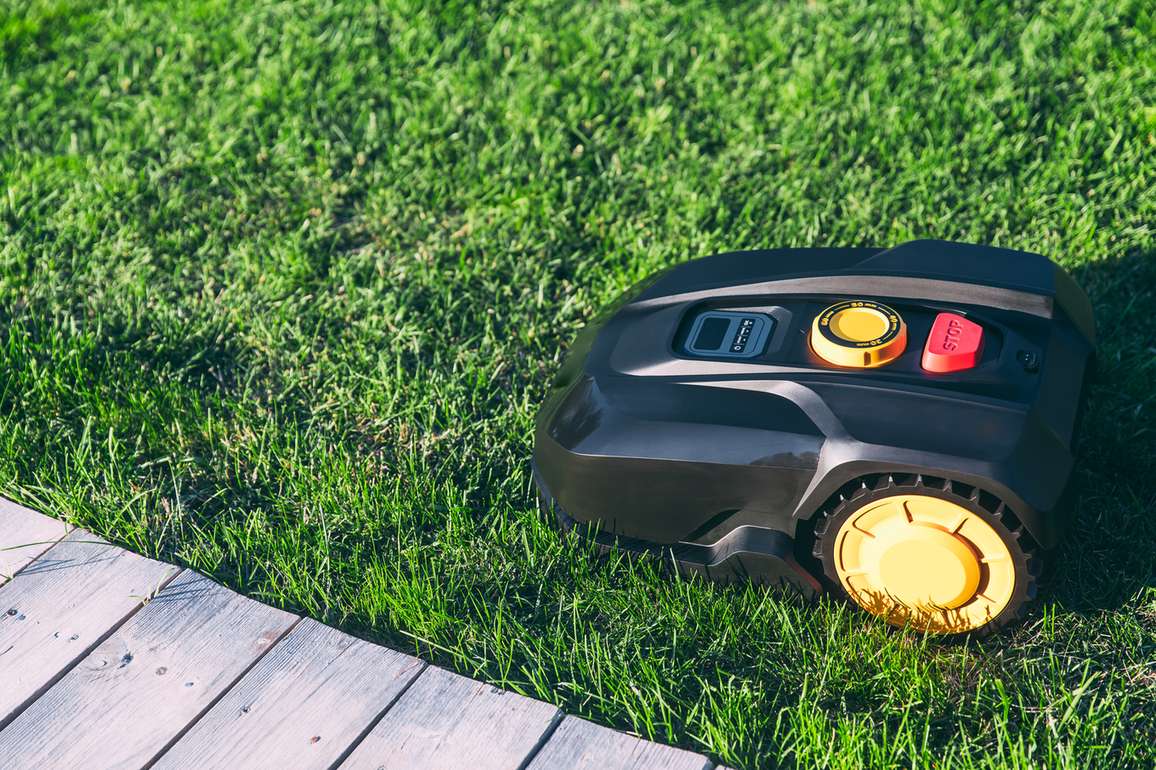
The precision gain is real but bounded: performance still depends heavily on terrain regularity. Flat to gently sloped lawns with clearly defined boundaries see the most consistent results, while steep grades, narrow passages, and heavily obstructed yards remain the conditions where even well-reviewed models need more manual oversight.
What the safety record actually shows
Manufacturers build these machines with obstacle sensors, automatic shut-off mechanisms, and boundary containment specifically to prevent collisions with pets, children, and garden fixtures. These systems have matured considerably since early consumer models, and most reviewed units today stop or reroute reliably around detected obstacles.
That said, manufacturers and independent reviewers alike continue to recommend supervision of young children and pets during operation, particularly during a machine’s first mapping cycles in a new environment, since sensor reliability, however improved, is not a substitute for basic caution around a moving blade.
What the shift means for the gardening profession
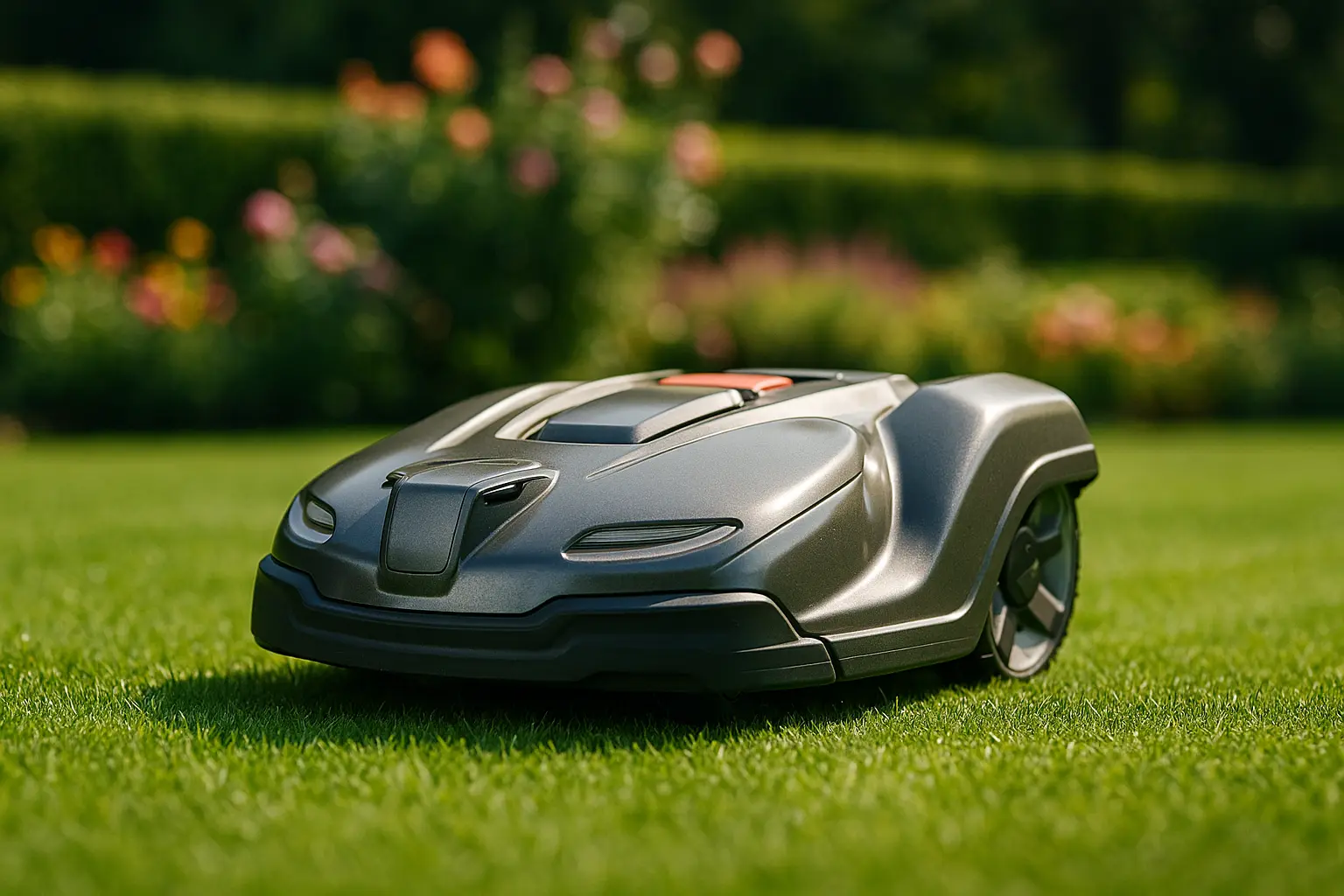
The direct effect is not job elimination so much as job redistribution. Mowing, historically one of the most time-consuming and least specialized tasks on a landscaping contract, is increasingly handled autonomously, which frees crews to focus on plant care, design work, and the kind of judgment-based tasks a mower cannot perform. Given that 54% of landscaping contractors cite staffing as a top business risk heading into 2026, this reallocation of labor is, for many businesses, a response to a genuine shortage rather than a cost-cutting choice made from a position of surplus staff.
New roles have emerged alongside this shift: fleet coordination, sensor and battery maintenance, and software troubleshooting now sit within many companies’ job descriptions where they did not exist a decade ago.
The transition rarely happens overnight for an established business. Most companies phase robotic units in gradually, starting with their simplest, flattest properties and keeping traditional crews on more complex sites until staff have built confidence with the fleet-management software. This staged approach also gives a business time to test how a specific model performs on its actual client portfolio before committing to a larger purchase, which matters given how much performance still varies by terrain and property layout.
Robotic mowers against traditional mowing, side by side
| Factor | Traditional mowing crew | Autonomous robotic mowers |
|---|---|---|
| Labor required per site | One or more operators on-site | One supervisor across several sites |
| Terrain flexibility | Handles any terrain a person can walk | Best on flat to moderate slopes |
| Noise and emissions | Higher with gas equipment | Low, battery-electric operation |
| Upfront cost | Lower per machine | Higher per unit, offset over time by labor savings |
FAQ
Are robotic lawnmowers replacing professional gardeners entirely?
No. They take over routine mowing specifically, while plant care, design, and specialized maintenance remain squarely human tasks that these machines are not built to perform.
How safe are robotic mowers around pets and children?
Modern models include obstacle detection and automatic shut-off, and safety has improved significantly. Supervision is still advised, particularly during a mower’s first operating cycles in a new area.
What terrain do these machines struggle with most?
Steep slopes, narrow or irregular passages, and lawns with dense obstacles remain the conditions where performance drops most noticeably compared with flat, open turf.
Is investing in robotic mowers cost-effective for a landscaping business?
Higher upfront cost is typically offset over time through reduced labor hours, particularly valuable given how widespread staffing shortages are across the sector in 2026.
How long does it take a landscaping company to fully transition a fleet to robotic mowers?
There is no fixed timeline, but most businesses phase the transition over one to two seasons, starting with their most suitable properties and keeping traditional equipment available for sites where the machines still struggle.
The rise of autonomous mowing is best understood as a labor-market response as much as a technological leap, and the two are hard to separate in a sector where staffing shortages are as persistent as they are today. For businesses evaluating whether to add solar charging to reduce operating costs further, solar-powered models built for continuous operation are worth a closer look, and any crew introducing these machines to public-facing sites should also be familiar with current safety standards for autonomous garden equipment.
Sources: Grand View Research, Mordor Intelligence, Fortune Business Insights, robotic lawn mower market reports (2025-2026); Aspire, 2026 Commercial Landscape Industry Report.
Last updated: July 29, 2026.