
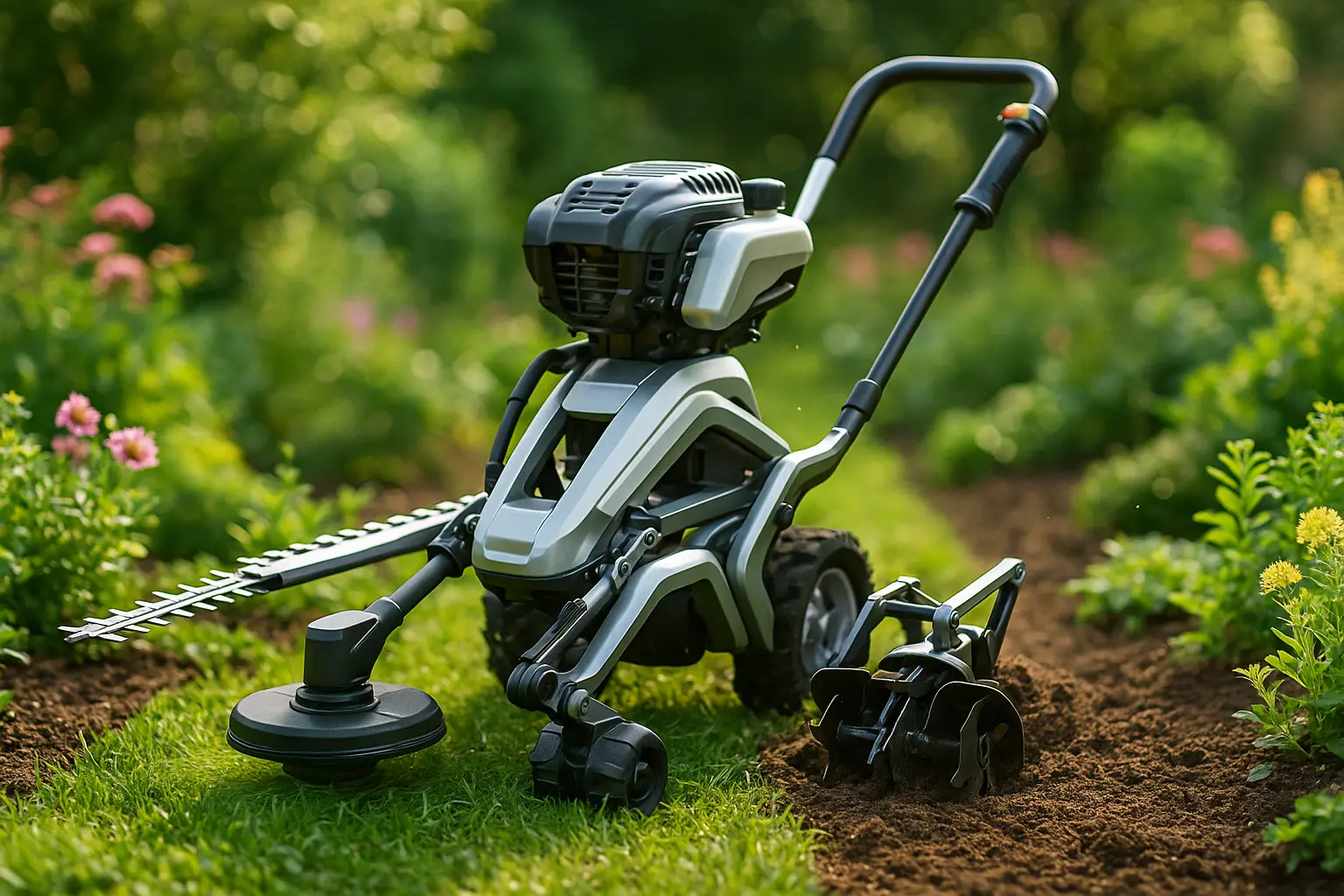
Ask five landscaping business owners what they would change about their equipment shed, and at least three will mention the same headache: too many single-task machines, each one used for only a few hours a week, all needing storage space, fuel, and separate maintenance schedules. That frustration is exactly what is pushing manufacturers to develop multi-purpose machines built specifically for gardening and landscaping crews.
A multi-purpose machine is a single powered base, usually a mower deck, compact utility vehicle, or tracked chassis, fitted with interchangeable attachments that let one operator switch between mowing, trimming, tilling, leaf blowing, or light hauling without changing vehicles. The technology behind the attachment systems (quick-couplers, hydraulic power take-offs) is mature and widely sold; what remains uneven is how well a single platform performs each task compared with a machine purpose-built for it.
In brief:
- One base unit with swappable attachments replaces three to five single-task machines for routine maintenance work.
- Labor shortages in the landscaping sector are a direct driver: 54% of contractors named staffing their top business risk in the 2026 Commercial Landscape Industry Report cited by Aspire.
- Attachment-swap technology is mature for mowing, trimming, and blowing; it is far less mature for tasks requiring fine precision, such as selective pruning cuts.
- Total cost of ownership, not sticker price, is what decides whether a multi-purpose platform pays off for a given crew size.
What actually qualifies as a multi-purpose machine
A machine earns the label when its core engine and chassis stay fixed while the working end changes. Ride-on mower platforms with PTO-driven front and rear attachment points are the most common example on residential and commercial lawns, and compact tracked loaders with quick-attach plates serve the same role on construction-adjacent landscaping sites. The distinction matters because a machine that simply comes with two accessories in the box is not the same as a genuine platform architecture designed around dozens of possible attachments from day one.
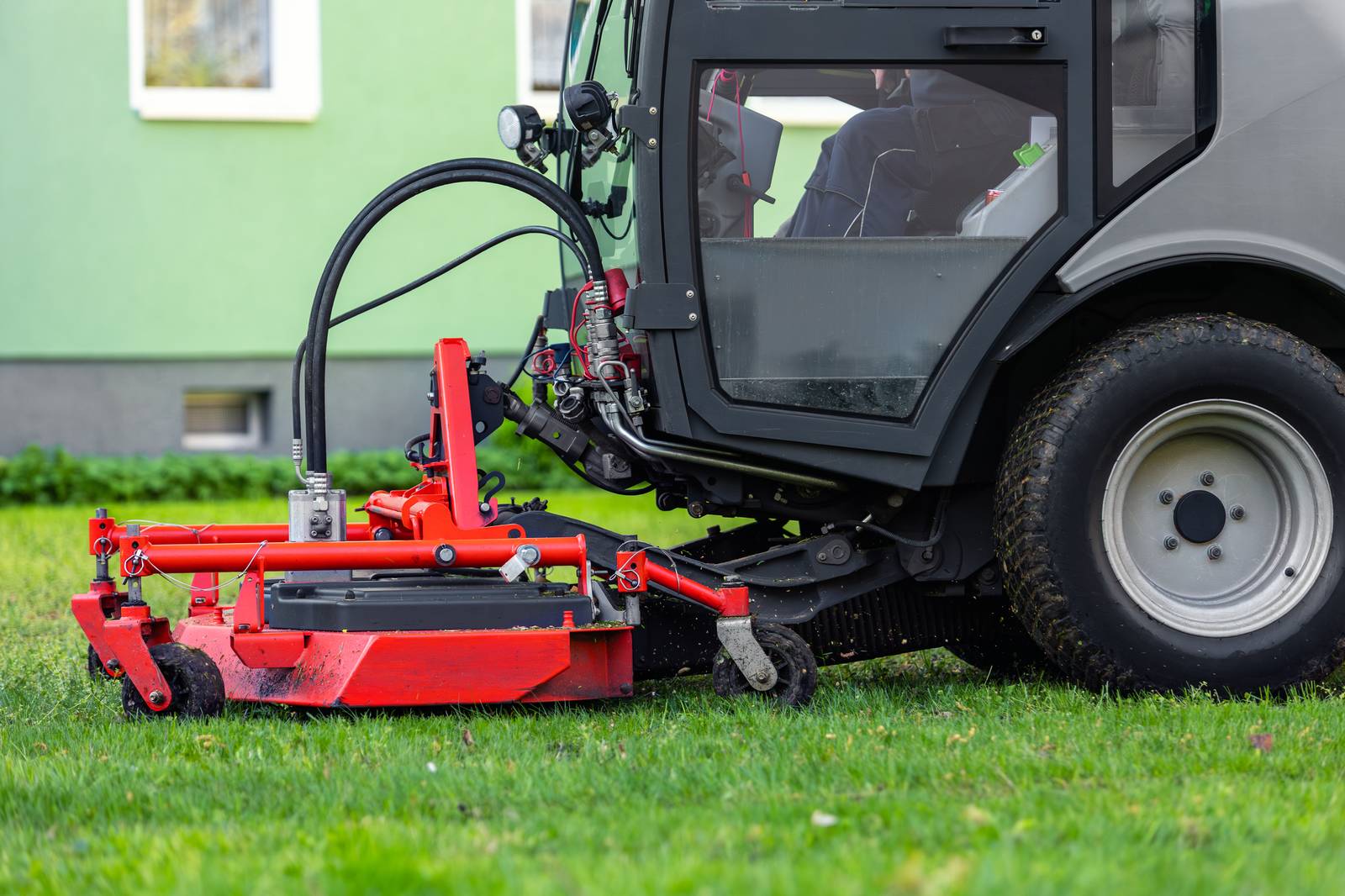
Manufacturers publish attachment catalogs precisely because the business model depends on selling the base unit once and the attachments repeatedly. That is a useful signal for a buyer: a short catalog usually means the platform was designed narrowly, while a long one signals genuine engineering investment in the swap system.
Why crews are moving away from single-task fleets
The direct answer is headcount and storage pressure, not novelty. A crew that used to need one operator per specialized machine can now run the same job list with fewer people rotating through attachments, which matters given how tight the labor market has become. Aspire’s 2026 industry survey found that 70% of landscaping contractors plan to raise wages this year to retain staff, a sign that reducing the number of machines an already-stretched workforce has to learn and maintain has real financial value.
Storage is the second, less discussed factor. A single base unit with a wall of attachments takes up a fraction of the footprint of five separate machines, each with its own engine, tires, and fuel tank sitting idle most of the week.
Where the attachment technology still falls short
This is the point worth stating plainly, since it is easy to oversell: a multi-purpose base is rarely as good as a dedicated tool at the hardest version of any single task. An attachment-driven hedge trimmer works well for routine shaping, but a specialized topiary crew doing intricate cuts still reaches for purpose-built shears. The same gap shows up in tilling depth control and in fine-grade leveling work, where a dedicated machine’s engineering, tuned for exactly one job, still outperforms a general-purpose platform running the equivalent attachment.
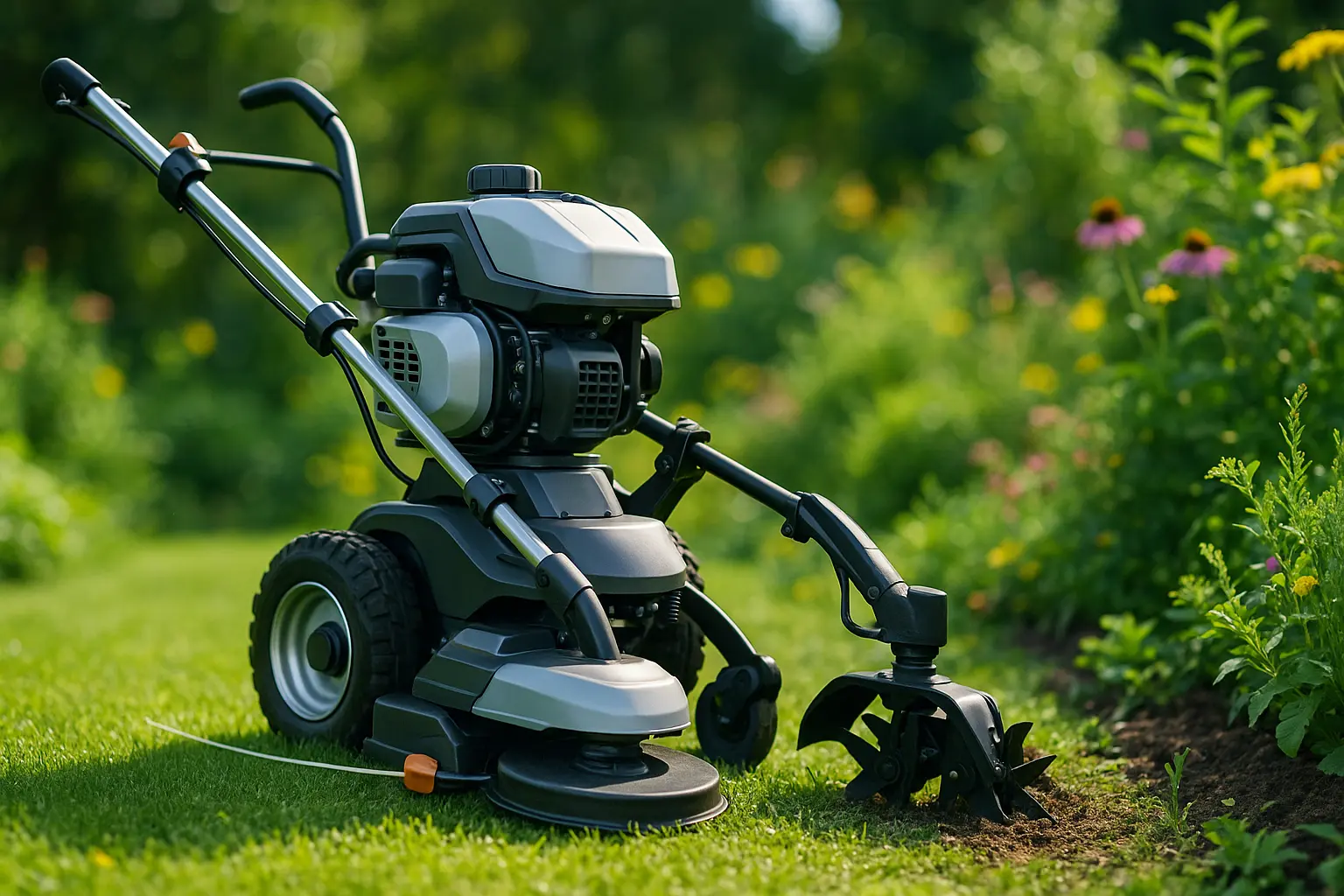
This is not a criticism of the concept, it is a reason to match the machine to the actual job mix of a given crew rather than assuming one platform can replace an entire fleet without any trade-off.
Comparing dedicated fleets and multi-purpose platforms
The choice between the two models comes down to how varied a crew’s weekly task list actually is, and the table below summarizes the trade-offs that matter most in practice.
| Criterion | Single-task fleet | Multi-purpose platform |
|---|---|---|
| Upfront cost | Higher across multiple machines | Lower base cost, attachments add up over time |
| Storage footprint | Large, one bay per machine | Compact, one bay plus a rack |
| Peak-season performance | Every task can run in parallel | One task at a time per unit, swap adds downtime |
| Task-specific precision | Best available for demanding work | Adequate for routine work, weaker on specialist tasks |
What to check before switching a fleet over
Buyers should start with an honest count of how many distinct tasks the crew performs weekly and whether those tasks ever need to happen simultaneously across a site. If mowing, trimming, and blowing routinely overlap during a single visit, a multi-purpose base forces choices a dedicated fleet does not. If tasks are naturally sequential, one operator moving from mowing to edging to blowing, the platform model tends to win on both cost and simplicity.
It is also worth asking a supplier directly how many years the attachment ecosystem has been supported, since a platform abandoned after a couple of seasons leaves a crew stuck with an expensive base unit and no new tooling to buy.
FAQ
Do multi-purpose machines cost less overall than separate specialized tools?
Usually, yes, if the crew’s task list is varied but rarely simultaneous. The base unit costs less than several dedicated machines combined, though the full attachment set can close that gap over a few seasons.
Can one operator realistically run an entire day’s jobs on a single multi-purpose base?
For a small residential route, yes. For commercial sites needing mowing and trimming to happen at the same time across a large property, a mixed fleet with at least one dedicated machine tends to work better.
Are these machines suitable for beginners, or do they need trained operators?
Swapping attachments is generally straightforward, but each attachment still has its own learning curve, so training time does not disappear entirely, it shifts from learning several machines to learning several attachments on one.
How long do attachment systems typically stay compatible with newer base units?
This varies by manufacturer and is not standardized across the industry, which is itself a limitation worth asking about directly before committing to a platform.
The practical answer to “one machine or five” almost never sits at either extreme. Most professional crews land on a hybrid: a multi-purpose base for the routine, repetitive weekly work, kept alongside one or two dedicated machines reserved for the jobs where precision still beats versatility. That balance, not a wholesale switch, is what tends to hold up once a first busy season has tested the equipment against the real task list rather than the sales brochure. For crews weighing whether the investment pencils out at all, weighing the return on investment of multi-task equipment against a mixed fleet is a useful next step, and businesses starting from an existing tractor or utility vehicle base may find it cheaper to look at retrofitting farm equipment for landscaping work before buying a purpose-built platform outright.
Sources: Aspire, “Top Landscaping Industry Statistics” and “Solving the 2026 Landscaping Labor Shortage Crisis” (2026 Commercial Landscape Industry Report); Grand View Research, robotic lawn mower market analysis (2025-2026).
Last updated: July 29, 2026.