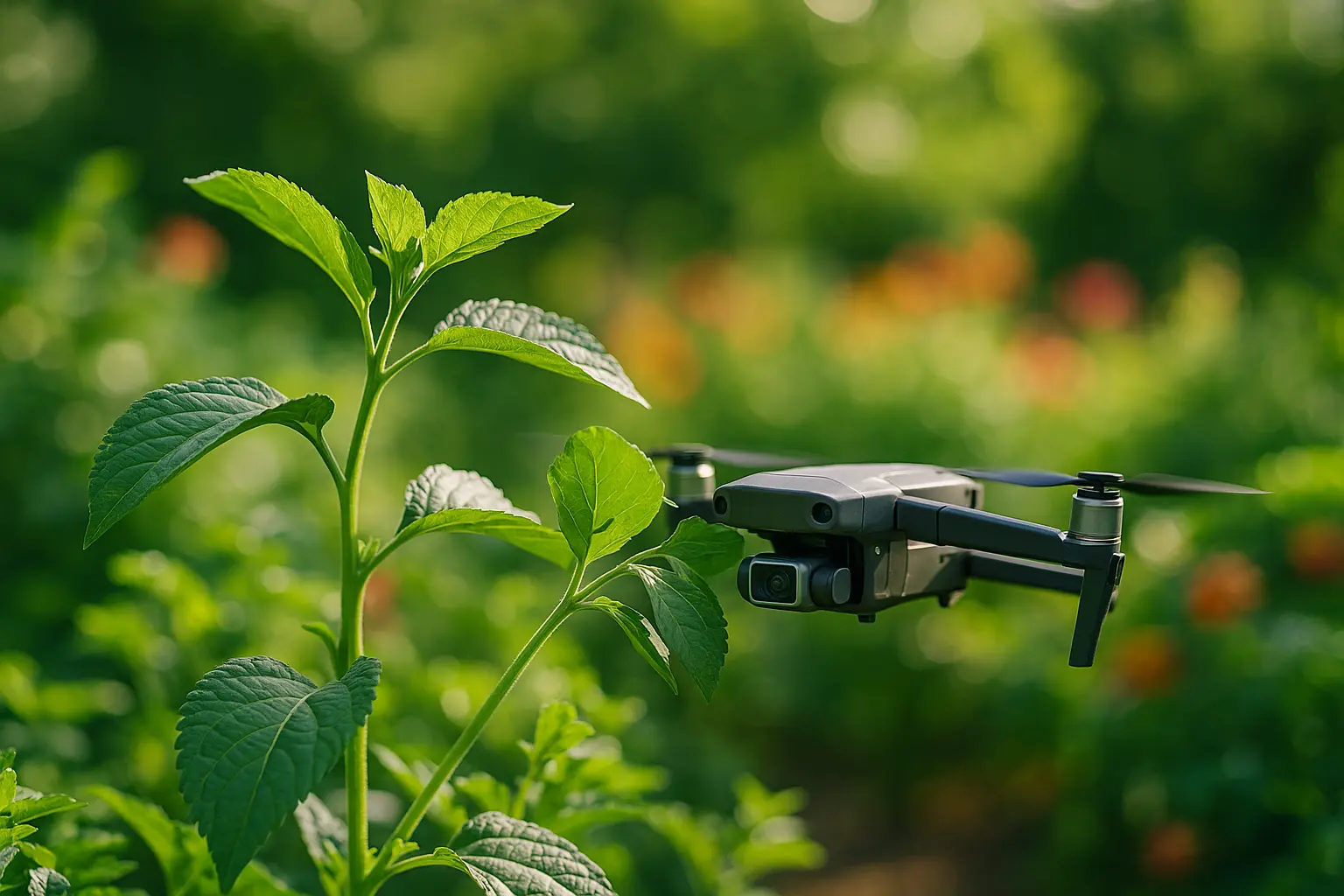
The Food and Agriculture Organization estimates that pests and diseases destroy between 20% and 40% of global crop production every year, a loss valued at roughly 220 billion dollars (FAO, Plant Health data). That single figure explains why so many landscaping and grounds-care businesses are now testing artificial intelligence tools that promise to spot a diseased leaf before it spreads across an entire bed or estate.
AI-based plant disease diagnosis works by training image-recognition models on thousands of photographs of healthy and infected leaves, then using that trained model to flag likely disease or pest damage from a new photo taken in the field. Under laboratory conditions, the best of these models now classify diseases with accuracy above 99% (Scientific Reports, 2025). Outside the lab, on real plants in variable light and weather, that accuracy consistently drops, which is the detail most marketing pages leave out.
What this article covers, in short:
- How image-recognition and deep learning models actually detect disease symptoms
- Why lab accuracy figures rarely survive contact with a real garden or nursery
- Where these tools already save a landscaping crew real time today
- What still requires a trained horticulturist or plant pathologist
How image recognition identifies a diseased plant
A camera phone or a mounted sensor captures a photo of a leaf, stem, or fruit. A convolutional neural network, a type of model built specifically for image analysis, compares the visual pattern against thousands of reference images it was trained on. When the pattern matches a known disease signature closely enough, the software returns a probable diagnosis along with a confidence score.
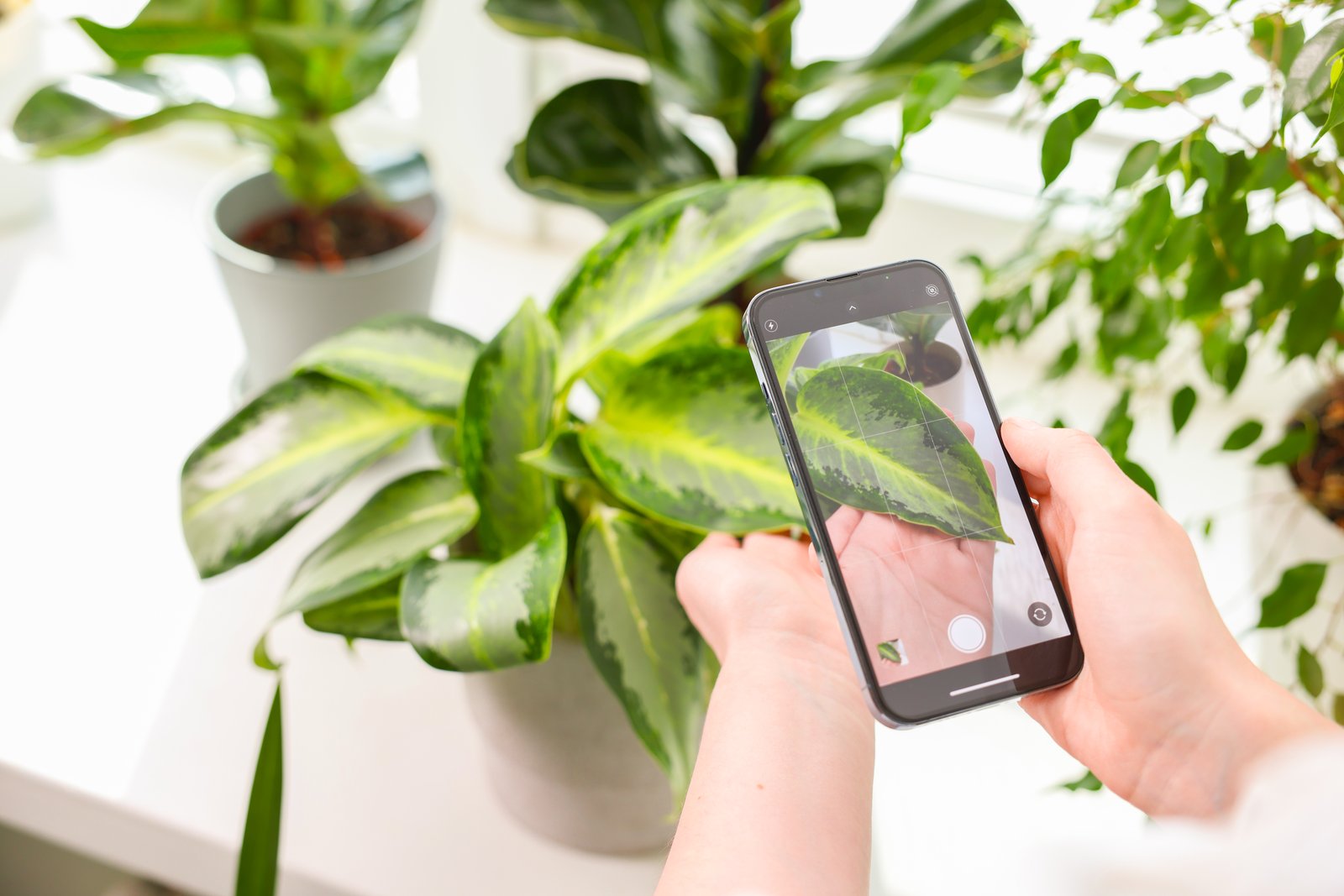
The training data matters more than the algorithm itself. One widely cited dataset used to benchmark these models contains close to 88,000 images covering 25 plant species and 58 disease combinations. Models trained on that scale of data reach the near-perfect accuracy figures often quoted in press releases, but only when the test photos resemble the training photos in lighting, angle, and plant variety.
Why field accuracy is not lab accuracy
A 2025 review published in a peer-reviewed agricultural sciences journal notes a consistent gap between controlled-dataset performance and real-field deployment, driven by uneven lighting, dust on leaves, overlapping foliage, and disease variants the model never saw during training. In other words, a tool that scores 99% in a research paper can perform meaningfully worse on a cloudy Tuesday in a client’s back garden.
This is precisely the kind of nuance that matters for a professional audience. An AI diagnosis tool used on a landscaping crew’s phone in 2025 should be treated as a fast first screening, not a substitute for a plant pathologist’s confirmation on anything that could justify a costly treatment plan or a client conversation about removing mature planting.
Comparing detection approaches used by landscape and grounds teams
| Method | Typical use | Main limitation |
|---|---|---|
| Visual scouting by a trained crew member | Routine rounds on residential and commercial sites | Slow at scale, depends on individual experience |
| Smartphone AI diagnosis app | Quick first read on a suspicious leaf | Accuracy drops outside controlled photo conditions |
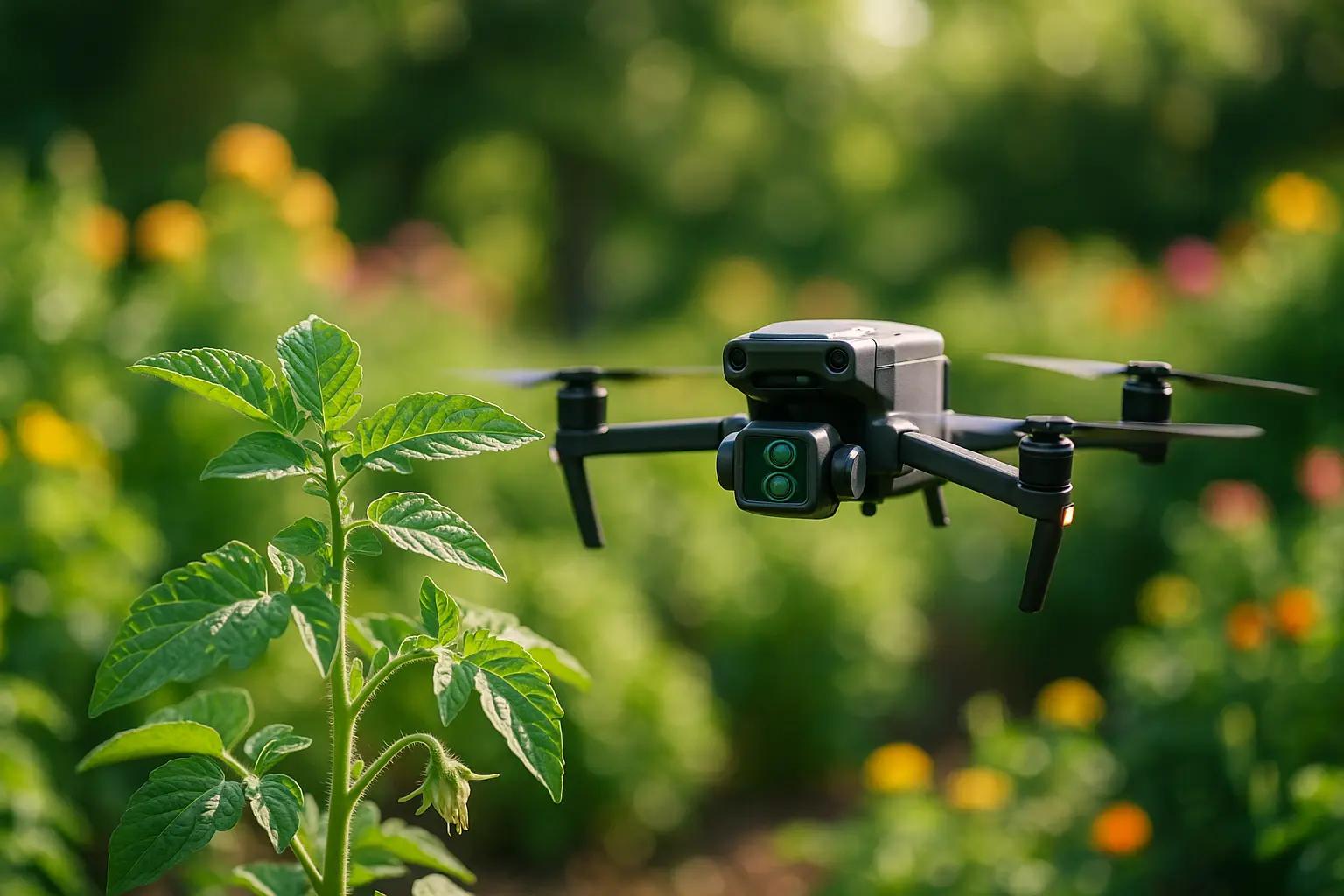
| Drone or satellite imagery fed into AI | Large estates, sports turf, municipal parks | High setup cost, needs data infrastructure |
| Laboratory pathology test | Confirmation before major treatment decisions | Slower turnaround, added cost |
Where this already earns its keep on a real site
On larger properties, where a single crew member cannot walk every bed every week, an AI-assisted first pass genuinely changes the workflow. A quick photo taken during a routine mowing round can flag a suspicious patch for closer inspection, rather than relying on someone noticing it by chance. For pest pressure specifically, several models now cross-reference weather data with known pest life cycles to predict outbreak windows before visible damage appears, which gives a maintenance team a few days’ head start on intervention.
We have also seen these tools reduce unnecessary pesticide use. Instead of a blanket preventive spray across an entire property, a targeted alert lets a crew treat only the affected zone, which cuts both product cost and chemical exposure on the site.
What still needs a trained human eye
No current AI system replaces the judgment of an experienced horticulturist when a diagnosis carries real financial or ecological weight, such as deciding whether to remove a mature tree suspected of harboring a serious pathogen. The tools are built to narrow down possibilities quickly, not to make the final call. Any landscaping business integrating these apps should treat a positive AI reading the same way a doctor treats a preliminary test: useful, but confirmed before acting on it when the stakes are high.
Adjacent detection technology follows the same logic. Computer vision systems trained to spot weeds face the same lab-to-field accuracy gap, and drone-based inspection flights over large properties are often the data source that feeds these disease models in the first place.
Pest prediction versus disease diagnosis: two different jobs
It helps to separate two things these tools are often marketed together under one label. Disease diagnosis looks at a photo of an already-visible symptom and names the likely cause. Pest prediction works differently: it combines local weather data, humidity, and known pest life-cycle patterns to estimate when an outbreak is likely, before any visible damage exists. A crew relying only on visual diagnosis will always be reacting to damage that has already happened. A crew that adds pest-cycle prediction to its calendar gets a genuine head start, which matters more on a large estate where walking every bed weekly is not realistic.
The two capabilities also fail differently. A diagnosis tool that misreads a photo produces one wrong recommendation. A prediction model built on thin regional data can misjudge an entire property’s risk window, which is why cross-checking a prediction against a local extension office or a recent FAO pest advisory remains good practice.
FAQ
Can an AI app fully replace a plant pathologist?
No. It speeds up initial screening and flags likely candidates, but a lab test or an experienced pathologist should confirm any diagnosis that will drive a costly treatment or removal decision.
Does AI disease detection work equally well on every plant species?
Accuracy depends heavily on how much training data exists for that species and disease combination. Common ornamentals and major food crops are far better represented than rare or regional varieties.
Is this considered a mature, widely deployed technology in 2025?
Partially. Smartphone diagnosis apps are commercially available and used by growers and some landscaping crews today, but large-scale, fully automated field monitoring systems remain a smaller and more experimental segment of the market.
What is the biggest practical limitation right now?
The gap between controlled test accuracy and real-world field accuracy, caused by lighting, weather, and plant variety differences the model was not trained on.
Used with the right expectations, AI diagnosis tools give a landscaping team a faster first look at a problem, not a final verdict. Treat the confidence score as a prompt to inspect, not a diagnosis to act on blindly.
Sources: Food and Agriculture Organization (FAO), Plant Health data on global crop losses; Scientific Reports, 2025, AI-based real-time plant disease diagnosis using CNNs; peer-reviewed 2025 review on precision agriculture deep learning approaches.