

How does a landscaping company keep track of mulch that gets sold by the yard, annuals that can die in a holding yard within a week, and a fleet of trucks and mowers that all depreciate at different rates, without losing money on at least one of them every season? That question is exactly what automated logistics platforms are built to answer, and it explains why adoption in this specific corner of the green industry looks different from a typical warehouse setup.
An automated logistics platform for landscaping combines inventory tracking, delivery scheduling, and supplier communication in one system, so stock levels, material orders, and job-site deliveries update in real time instead of on a clipboard or a shared spreadsheet. Cloud-based adoption among landscaping companies rose from roughly 54% in 2022 to about 73% in 2025, though full automation maturity still lags well behind that figure.
Key points covered below:
- Why landscaping inventory is harder to manage than typical retail stock
- What a logistics platform actually automates day to day
- Where adoption stands today, based on recent industry benchmarking
- What still slows a smooth transition from spreadsheets to software
Why landscaping inventory is unusually hard to manage
Unlike a hardware store, a landscaping company holds perishable plant stock, bulk materials sold by volume rather than unit, chemicals that carry compliance recordkeeping requirements, and equipment that both depreciates and breaks down unpredictably. Seasonal demand makes it worse: over-order annuals and a company writes off dead plants by June, under-order mulch in April and it turns away paying jobs during the busiest month of the year.
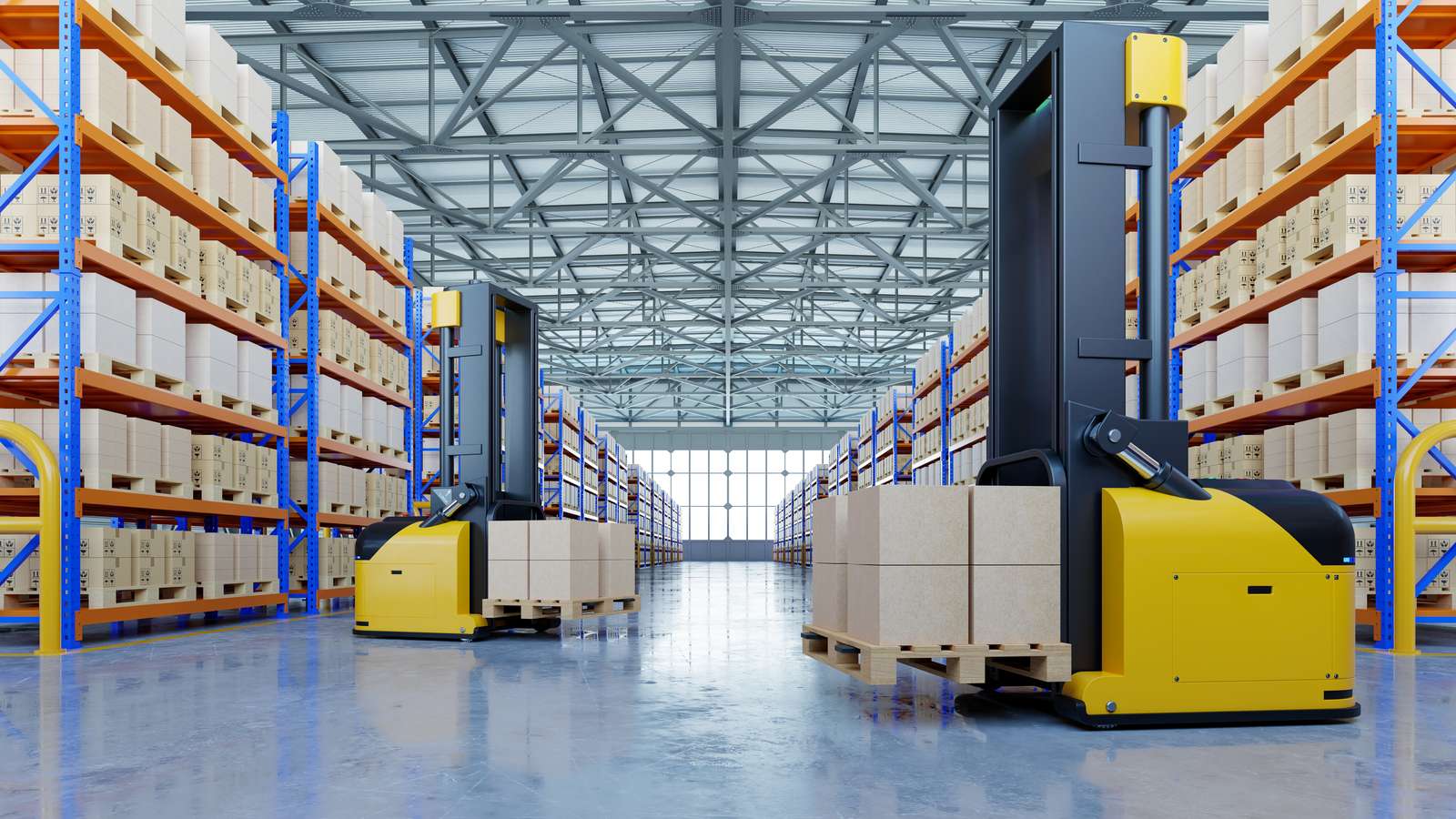
This is the specific problem automated platforms target, not a generic supply-chain upgrade. A system built for landscaping needs to track a bag of fertilizer and a flat of perennials with the same accuracy, on very different depreciation and spoilage timelines.
What these platforms actually automate
| Task | Manual approach | Automated approach |
|---|---|---|
| Stock reordering | Manager checks shelves and calls suppliers | System flags low stock from usage patterns |
| Delivery scheduling | Phone calls and paper job sheets | Automated routing with live client updates |
| Material tracking on-site | Crew estimates by eye | Barcode or app-based quantity logging |
| Compliance records for chemicals | Filed paperwork, easy to misplace | Digital log tied to each application |

Where adoption actually stands in 2025
A 2025 Green Industry Benchmarking Study found that fewer than 20% of landscaping companies with under 20 employees operate at what the report calls Stage 3 maturity, meaning most small and mid-size firms still run on a mix of spreadsheets and basic scheduling software rather than a fully integrated logistics platform. That gap matters for anyone reading a case study that implies automation is already the industry norm: it is not, yet, for the majority of smaller operators. It is a genuine efficiency opportunity that remains largely untapped rather than a settled standard.
Where platforms are in place, the reported gains are concrete rather than vague: fewer manual data-entry errors, faster order fulfillment, and real-time visibility into which trucks are carrying which materials to which job site on a given day.
What still slows the transition
Two friction points come up repeatedly. First, integration: a platform that cannot talk to existing accounting or scheduling software creates duplicate data entry rather than removing it. Second, fleet interoperability: a company running mixed brands of trucks, mowers, and handheld scanners often finds that different systems do not share data cleanly, which undercuts the promised time savings. This is the same standardization gap that shows up across interoperability problems across fleets of automated equipment more broadly in this sector.
On the delivery side specifically, the same navigation logic used in guidance systems steering unmanned delivery and construction machinery is starting to inform route-optimization software for material trucks, though full autonomous delivery for bulk landscaping materials remains an early-stage application rather than a deployed standard.
Choosing between an all-in-one platform and separate tools
A recurring decision for a growing landscaping business is whether to adopt one integrated platform covering scheduling, inventory, and delivery, or to combine several specialized tools that each do one job well. An all-in-one platform reduces the number of logins and generally keeps data consistent across departments, but it can mean settling for a weaker inventory module than a dedicated specialist tool would offer. Separate best-of-breed tools often perform better individually, at the cost of needing a reliable integration layer to keep stock counts, delivery schedules, and billing data synchronized without manual re-entry.
There is no universally correct answer here. A smaller company with straightforward material needs, mostly mulch, soil, and common plant stock, usually does better with a single integrated platform. A larger operation juggling specialty plant sourcing, chemical compliance tracking, and multi-site delivery scheduling often justifies the added complexity of connecting specialized tools built for each specific need.
FAQ
Is an automated logistics platform worth it for a small landscaping company?
It depends on order volume and material complexity. Companies juggling perishable plant stock alongside bulk materials tend to see the fastest payback, since manual tracking errors are costliest there.
Can these platforms integrate with existing accounting software?
Most modern platforms are built to integrate with common accounting and customer-management tools, though the quality of that integration varies significantly between vendors.
What is the biggest risk of skipping automation?
Overstocking perishable materials or understocking bulk supplies during peak season, both of which directly cut into margin in ways that are hard to see until the season is over.
Do automated delivery systems reduce fuel costs?
Route optimization software can meaningfully cut fuel spend for companies running multiple daily delivery routes, though the exact savings depend heavily on route density and fleet size.
Automated logistics platforms solve a specific, unglamorous problem: knowing exactly what a landscaping business has in stock, what is on a truck, and what a client is waiting on, all without a phone call. For an industry still mostly running Stage 1 or Stage 2 processes according to recent benchmarking, that visibility alone is often the biggest single efficiency gain available before any heavier automation investment.
Sources: 2025 Green Industry Benchmarking Study, Lawn & Landscape Magazine; industry cloud-adoption tracking for landscaping business management software, 2022-2025.